


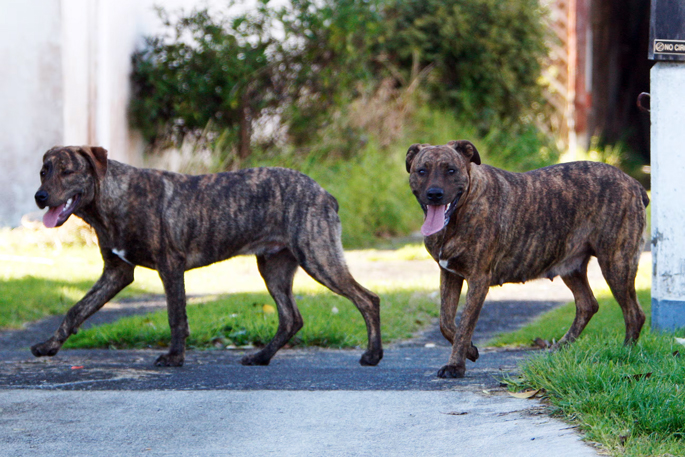
Reports of roaming dogs in the Western Bay of Plenty have risen more than 80% in a year, with experts warning it could lead to dangerous and unpredictable situations.
Tauranga has also had an increase in roaming dog reports, but in both districts, recorded attacks on people have fallen.
Behind the statistics were stories of frightening situations, injuries and owners struggling to manage dogs with behavioural issues.
Experts warned that without stronger education and enforcement, problems could escalate.
ACC figures show dog-related injuries were climbing in the Bay of Plenty and nationwide.
Dog incident data
The Western Bay of Plenty District Council recorded 30 reports of people being attacked by dogs in the 12 months to June 30, down from 37 the year before.
Complaints about dogs attacking animals also dropped, from 118 to 100, but roaming dog reports surged from 271 to 496.
Western Bay of Plenty District regulatory services general manager Alison Curtis said the rise in roaming dogs was concerning because it increased the risk of aggression and attacks.
She said the issue was taken seriously.
“Any dog found roaming will be impounded. If the owner can be identified, they may face a $300 infringement after a warning.”
The council recorded 69 attacks on people in the 12 months to June 30, five fewer than the previous period.
There were 1100 roaming dog reports, up 16% on the prior year and 24% over five years. The number of known dogs in the city increased about 7% in that time to just over 15,900, council data showed.
Attacks on domestic animals dropped from 120 in 2023/24 to 109.
Council animal services team leader Oscar Glossop said all reported dog attacks were investigated.
Actions against dog owners could range from a warning in situations where there is no injury, or prosecution for more serious cases, with the dog impounded and euthanised.
Glossop said anyone confronted by an aggressive dog should not try to hit it or run.
“Stop, hold anything you have between you and the dog and slowly back away until the dog has lost interest in you. Keep turning to face the dog if it tries to get behind you.”
Such incidents, as well as roaming dogs, should be reported to the council.
Roaming dogs and rising risks
Bilbo’s Dogpaws Rescue owner Billie Te Tau said roaming dogs were a growing problem and they could turn aggressive without warning.
“I’ve seen roaming dogs fighting, tearing ears off each other, biting faces and necks,” said the Welcome Bay resident.
Te Tau said education and accountability were key. She said owners should ensure dogs were contained, microchipped, desexed and registered.
“There’s a recognised need for education on safety and responsible dog ownership in our schools,” she said.
“Unrestrained animals in our communities are posing a threat to people daily, to the point where some feel unsafe to walk around.”

Bilbo’s Dogpaws Rescue owner Billie Te Tau and 1-year-old rescue Gunner. Photo / Brydie Thompson
Her advice was simple: “Do not approach a roaming dog. If a dog is on its own, leave it well alone. When it’s time for a snack, keep well back.”
Aggression can stem from “many factors” – fear, injury, old age, lack of socialisation, past trauma, or territorial instincts.
“A scared dog in an unfamiliar place may become aggressive, especially if it feels threatened,” Te Tau said.
She said mother dogs often showed aggression when protecting puppies, and injured dogs could snap at anything – even a helping hand.
Te Tau’s rescue desexed as many dogs as possible when litters came in.
“It’s vital to reduce the number of unwanted puppies, often from roaming dogs,” she said.
Education after tragedy
Dog behaviourist Maree Hart, owner of training service Dog Logic in Pyes Pā, said a fatal dog attack in Katikati this year highlighted the need for education on responsible dog ownership.
Four-year-old Timothy Tu’uaki Rolleston-Bryan died after being mauled by three dogs at a Tuapiro property in March.
The dogs – an American bulldog cross, a border collie-mastiff cross and a Staffordshire bull terrier – were euthanised.
Police said the investigation into the incident continues, and no charges have been laid.
After the tragedy, the little boy’s whānau spoke of the need for more awareness and education about how children could safely interact with dogs.
Hart agreed with that message.
She recalled a recent case where a child hugged a family dog, startling it.
“The dog showed whale eye – a sign of fear. If that wasn’t addressed, it could have led to a bite.”
Hart said many people misread dog behaviour. “Over-excitement is often overwhelm. If not managed, it can escalate.”
She planned to tour the country teaching families how to keep children safe around dogs.
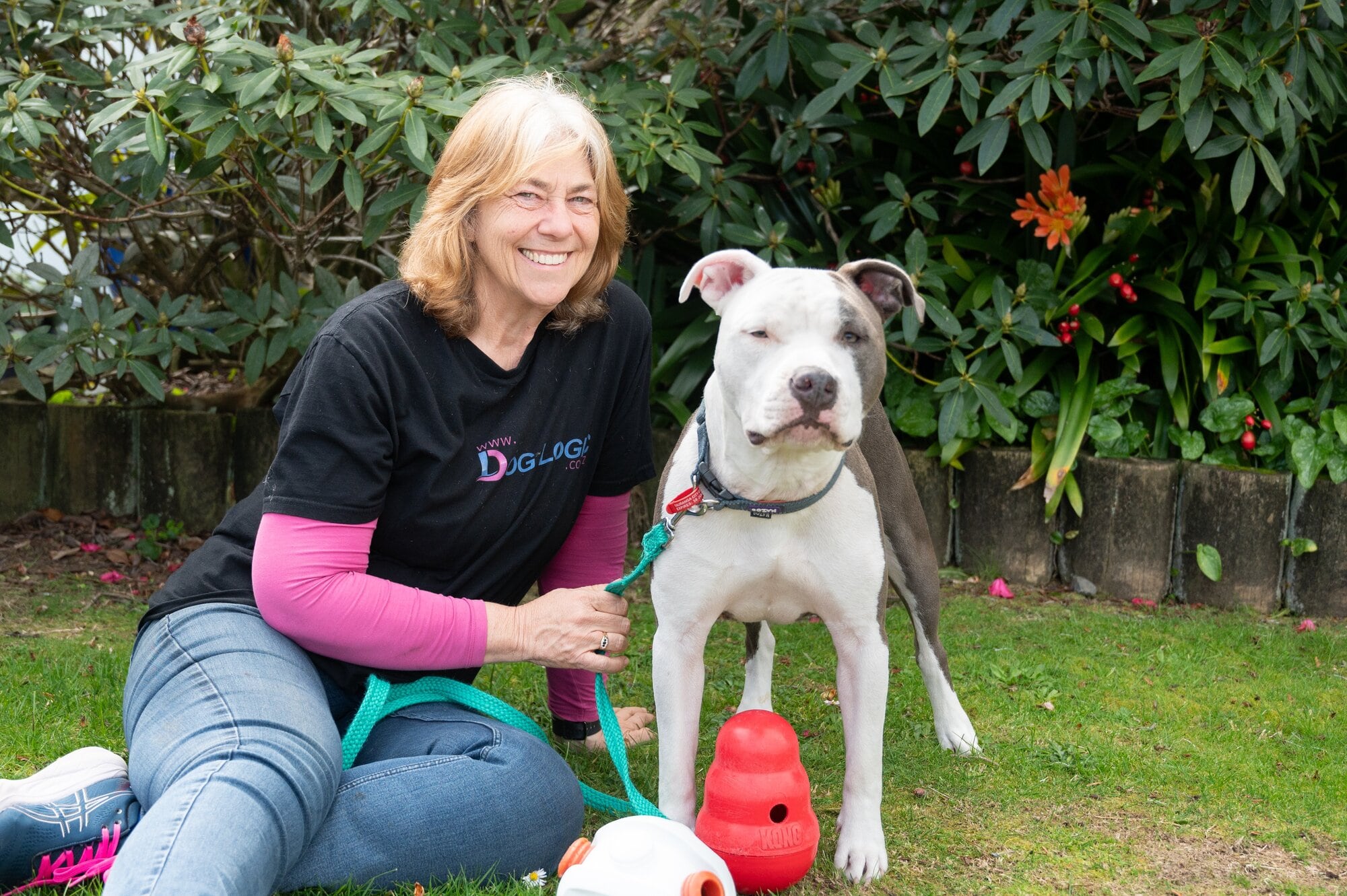
Dog Logic owner and dog behaviourist, Maree Hart with a trainee dog. Photo / Brydie Thompson
“There are still so many parents letting kids rush up and pat dogs. That should not be happening,” she said.
Hart, who had worked in dog training for more than 30 years, said most aggression stemmed from fear or poor handling.
“Dogs don’t want to be aggressive. It’s usually caused by incorrect training or lack of boundaries.”
She said over-loving dogs without rules could be just as harmful as neglected ones.
“You would become aggressive if I touched you like some people slap dogs,” Hart said.
Her goal was to teach owners how to communicate effectively and build strong relationships with their dogs.
“It’s incredibly rewarding to see a dog calm down and a family feel safe,” she said.
Ayla Yeoman is a multimedia journalist based in Tauranga. She grew up in Taupō and studied at the University of Auckland, holding a Bachelor of Arts degree majoring in Communications and Politics & International Relations. She has been a journalist since 2022.

2 comments
Roaming
Posted on 09-12-2025 10:07 | By Yadick
My neighbor has a dog that is unregistered and roams even though Tauranga City Council has told them they must register it and keep it under control. They now keep this still unregistered dog inside by day and let it out at night for it to roam and crap on everyone else's lawn. We've been told photographic evidence is not enough and we must capture the dog.
TCC Dog Unit is useless, appears weak and powerless and uncaring.
Roaming dogs should never be
Posted on 11-12-2025 12:05 | By nerak
about the animal, should focus 100% on the owner, starting with a hard hitting warrant of ownership, first up being complete responsibility going to the owner of a dog, and encompassing a strict program on what caring entails, and an enforced outcome if that program is ever breached. Too many dog owners love and care for their dogs, many more have no idea how to do that.
Leave a Comment
You must be logged in to make a comment.