


Biofuel technology that promises to help reduce the marine shipping industry’s carbon footprint is a step closer, with the launch of a company set up to lead its commercialisation.
Start-up venture Biowave will focus on attracting private investors to help commercialise the technology – which converts wood into biofuel that can be used as a drop-in replacement for fossil-based marine heavy fuel oil.
Developed by the Bioeconomy Science Institute, this innovation produces a biofuel that blends with existing marine fuel oil, aimed to use existing portside and on-board infrastructure and to meet the existing marine fuel specifications.
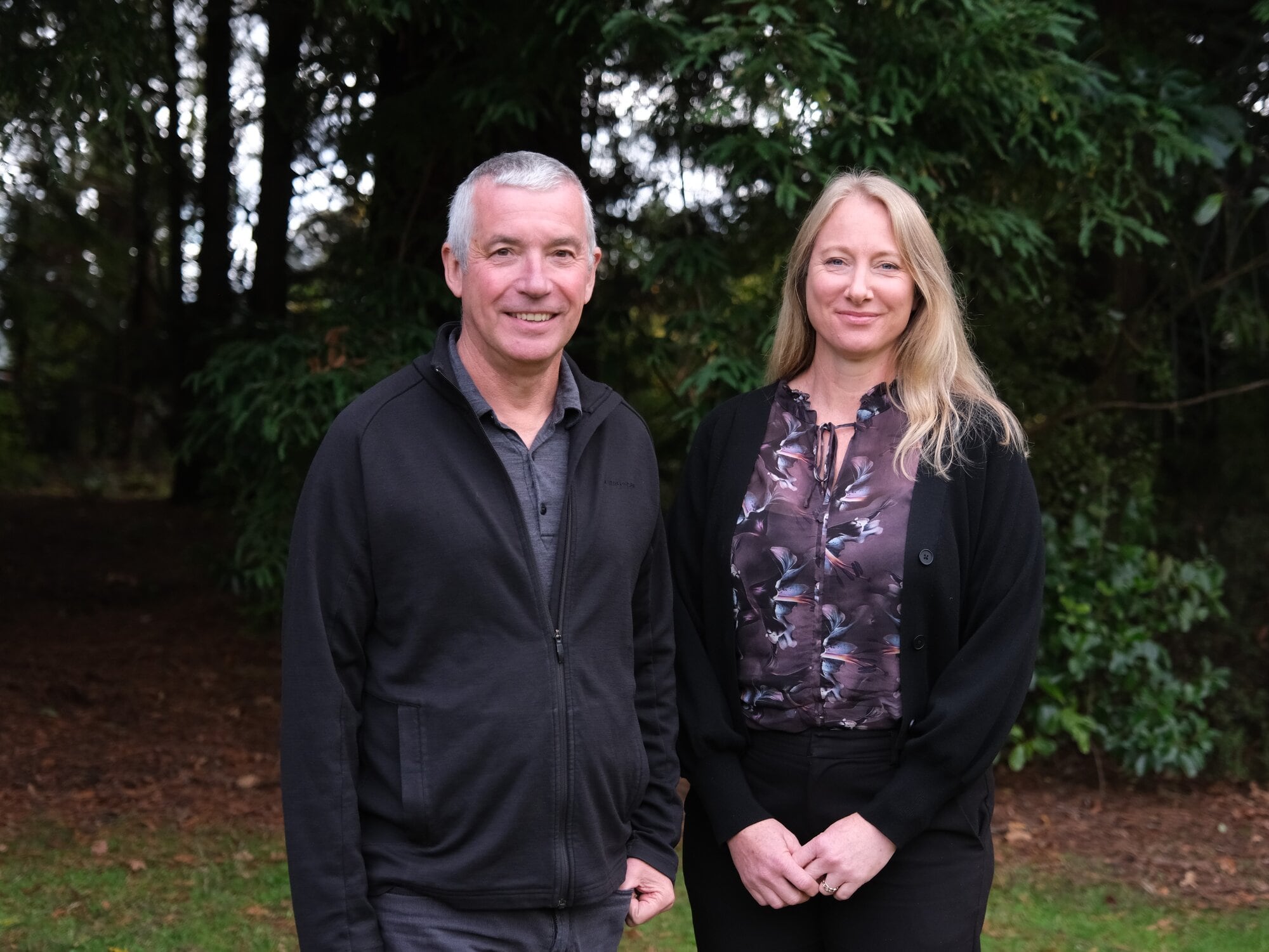
Biowave is a spin-out company from the Bioeconomy Science Institute, with two staff – Integrated Bioenergy portfolio leader Dr Paul Bennett and innovation manager Amanda Davies – its co-founders.
Bennett said biofuel technology was a promising solution to reducing the shipping industry’s carbon footprint.
“With the global shipping sector responsible for around 3% of annual carbon dioxide emissions, the need for sustainable alternatives has never been more urgent.
“We are committed to driving down biofuel costs and accelerating clean energy innovations for the maritime sector.
“Major exporters are increasingly concerned about the carbon emissions linked to their products, with market access becoming a real risk. The technology has the potential to make a substantial contribution to the maritime industry’s decarbonisation goals.”
Shipping was an essential component of global trade, moving 80% of the world’s goods.
For New Zealand, 99% of international trade depends on maritime routes, with shipping enabling nearly 45% of the country’s gross domestic profit.
“As demand for shipping increases, the sector’s carbon footprint is on track to rise, potentially accounting for up to 13% of global emissions in the coming decades if no action is taken,” said Bennett.
Fuel testing of a 20% Biowave blend has excited industry partners and could represent a product suitable for entry in the marine fuel market.
Scale-up production and engine testing will be required to confirm market acceptance.
“The maritime industry is actively seeking solutions, and we’ve seen significant interest in Biowave from key stakeholders across the supply chain, including shipping companies, energy providers, ports and product exporters,” said Davies.
“This technology offers a cost-competitive, sustainable solution for NZ’s economy and could be scaled globally.”

0 comments
Leave a Comment
You must be logged in to make a comment.