


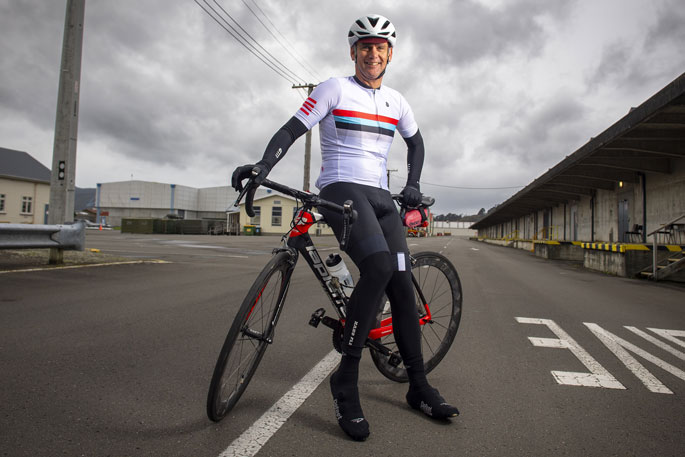
Fifteen years after spending a life-changing spell at the largest trauma hospital in Afghanistan, Papamoa man and former New Zealand Army radiographer Major (Rtd) Soren Hall will continue his recovery as he lines up alongside fellow military veterans in the Invictus Games next month.
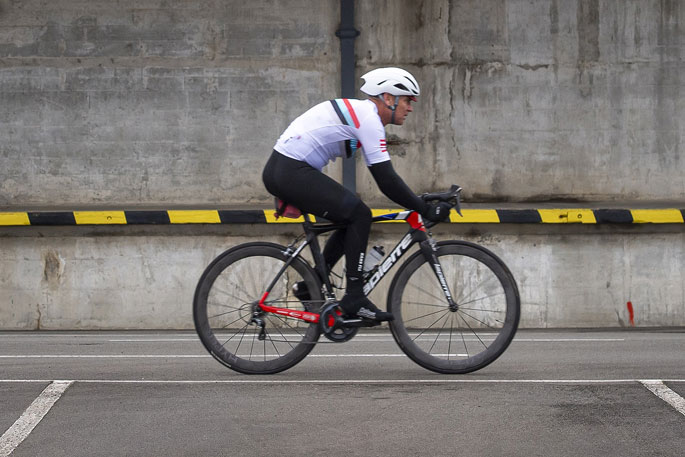
Major Hall will compete in athletics, cycling, swimming and rowing as part of the 21-strong New Zealand Invictus Games team in Düsseldorf, Germany.
In 2008, Major Hall was one of two New Zealand Defence Force personnel deployed to the largest trauma hospital in Afghanistan, at Kandahar Airfield.
During his five-month deployment he dealt with injuries ranging from traumatic amputations and ballistic injuries, to blast shrapnel injuries from improvised explosive devices and mines.
These casualties arrived by road or air on an almost-daily basis and at all times of the day and night.
“Ultimately what got me through each day in 2008, was knowing that no matter how hard it was becoming, I was having a better day than the person on the stretcher.
“I was in a war zone, there were a lot of people doing it way harder than me. So, I just pushed all that stuff down,” he says.
In the years following his Kandahar experience, Major Hall guided his career away from clinical medicine as he felt he didn’t have the strength to go back into a hospital setting and the countless triggers.
With the help of Veterans’ Affairs, Major Hall was clinically diagnosed in late 2021 with Post Traumatic Stress Disorder (PTSD).
 Major Soren Hall stands next to a container destroyed by a rocket attack in Afghanistan
The scars of Kandahar still impact his life day-to-day, but the effects have lessened after the treatment he received and he has learnt to live alongside his injury.
“These days I am more aware of my triggers and have tools in place to combat or lessen the impact,” he says.
While talking about his PTSD is difficult, Major Hall wants to normalise it and let others know that they can come forward.
“As I was pushing my injury down and downplaying the impact for so long, it took almost a year of treatment to work through all the triggers and events. Not having to worry about work, and the support from my wife are the two things that have got me on the road to recovery.”
Being part of the Invictus Games whānau is one aspect of Major Hall’s recovery so far.
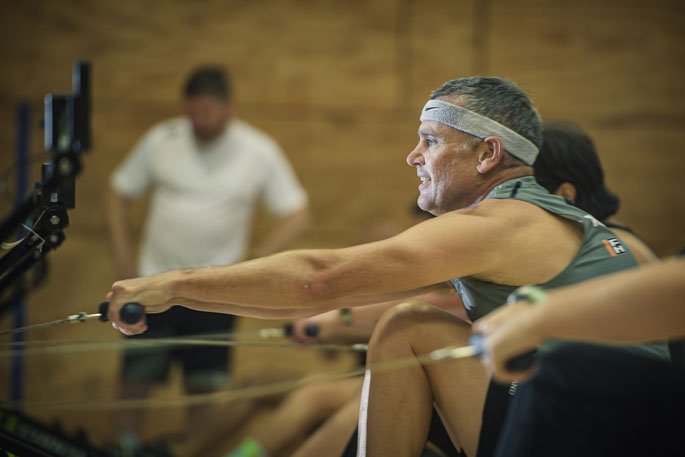
“As my journey is a mental one not physical, the Invictus Games presents an opportunity to see where I am at so far after my treatment.
“I want to show that I am not broken, to myself and my family. This will also act as therapy as I will be meeting other injured veterans, some with similar injuries to the ones that I worked on during my time in Kandahar.
“Success for me at the Games, is being able to function day-to-day, while remaining in a good head space. Medals would be awesome, but working towards a better life will be even better,” he said.
The sixth Invictus Games will take place in Düsseldorf, Germany from 9-16 September. Around 550 competitors from more than 22 nations will compete in 10 sporting disciplines. The NZDF is proud to represent New Zealand at the Games and is sending a contingent of 21 to compete.
Read more about Major Hall’s story: https://www.nzdf.mil.nz/media-centre/news/the-scars-of-kandahar-suffering-in-silence/
Watch Major Hall’s story: https://www.youtube.com/watch?v=nqyF8ozPMZg
More about the 2023 Invictus Games team: www.nzdf.mil.nz/invictus-games-2023
Follow the NZ Team for news and updates: www.facebook.com/NZInvictusTeam
The New Zealand Team is sponsored by Fulton Hogan, Dynasty Sport, The Ranfurly Veterans’ Trust, Sudima Hotels, and is supported by Veterans’ Affairs New Zealand.

0 comments
Leave a Comment
You must be logged in to make a comment.