


Food price inflation is at its highest level in 36 years.
Stats NZ's food price index rose 12.5 per cent in the year ended April, the highest annual rate since late 1987.
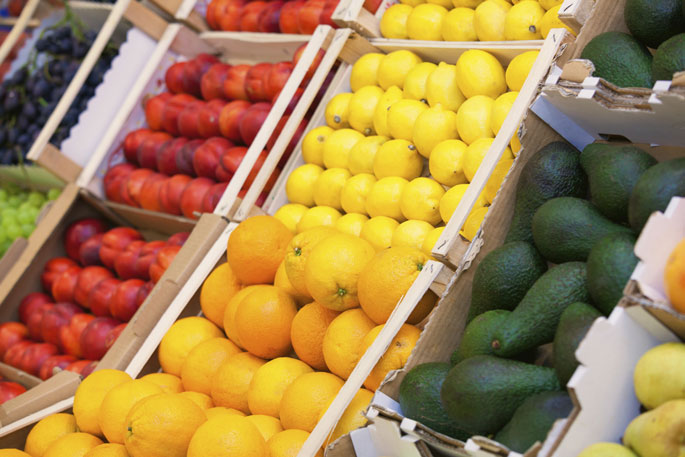
The main drivers over the year were a 14 per cent rise in grocery prices, and more than 22 per cent for fruit and vegetables prices.
Takeaway and restaurant meals went up by nine per cent, while meat, poultry, and fish prices increased 9.5 per cent.
Non-alcoholic beverage prices rose eight per cent.
"Increasing prices for barn or cage-raised eggs, potato chips, and six-pack yoghurt were the largest drivers within grocery food," says Stats NZ consumer prices manager James Mitchell.
"These were the same drivers for grocery food last month."
The second-largest contributor to the annual movement was fruit and vegetables. The increase was driven by tomatoes, avocados, and potatoes.
For the month of April prices edged up 0.5 per cent, the smallest monthly rise in five months. After adjusting for seasonal effects, they were up 0.8 per cent.
Restaurant meals and ready-to-eat food increased by 1.7 per cent and were the largest contributor to the monthly food price increase.
"Higher prices for dining out and takeaway coffee drove the increase in restaurant meals and ready-to-eat food."
The rise in food prices has been the single biggest contributor to inflation over the past year.
No relief in sight
The Reserve Bank's attempt to get price rises under control via interest rates appears to be working on overall inflation, which fell to below seven per cent in the most recent quarter.
But Infometrics principal economic economist Brad Olson says it the food price index "continues to accelerate".
Underlying food price inflation is probably the highest it has been in more than four decades, he adds.
"We are seeing really hot and very much sustained food price inflation," he told RNZ's Midday Report.
The last time the food price index rose this much was in the wake of the government's introduction of GST, which added a 10 percent tax to most goods, including food.
"Back in '87, that's when you were seeing the introduction of GST in '86 that was filtering still through into the numbers. And so what we're seeing right here, right now is the most intense food price inflation in terms of underlying actual food price inflation, excluding those government changes, in nearly 40 years - and probably longer if we were to look back."
Much of it was outside of our hands, he says.
"The 22.5 per cent annual increase in fruit and vegetable costs for, example, that's weather-related, that's out of out of our hands. And we've seen the devastation that a number of parts of the North Island have suffered this year.
"The challenge, though… is that increase of 14 percent in grocery foods. That does show that there is sort of broad-based and across-the-board increases coming forward."
Some things continued to get more expensive - such as pasta sauce and potato chips - without any obvious cause, like bad weather or the Russian invasion of Ukraine.
"It does, I think, signal worries that there's still a lot of pressure in the system. And this is, of course, an essential cost. This is something that households are having to pay each and every day. And so it is hurting many, many across the country."
ASB senior economist Mark Smith says food price rises remain ingrained and widespread, although it may have peaked.
"Conditions are in place that should see New Zealand food price inflation cool over 2023, but a difficult year lies ahead for New Zealand consumers... the risk is that the current upward momentum in food prices takes longer to slow."

2 comments
Food tax
Posted on 12-05-2023 12:13 | By CliftonGuy
Bear in mind that the government takes 15% of the cost of all essential food items in GST.
Food and Kids' clothing should not be taxed.
Posted on 12-05-2023 13:07 | By morepork
Abolish GST on items that are essential and in which people have little choice to consume or not. Limit profit percentages on the same items. No exploitation on essential goods and services. A fair profit, that encourages businesses to continue, but no outrageous, greed driven, exploitation of the vulnerable. How can we be a food-producing nation with our people going hungry, because of profiteering? It's NOT OK and the message that it isn't, needs to be clearly sent. 22% in that short a period shows that they are simply charging whatever the traffic will bear, without any thought for social responsibility or even goodwill. They won't curb themselves and have rejected all independent recommendations. Why hasn't the Government stepped up? Might be worth looking at Political donations from big corporations...
Leave a Comment
You must be logged in to make a comment.