


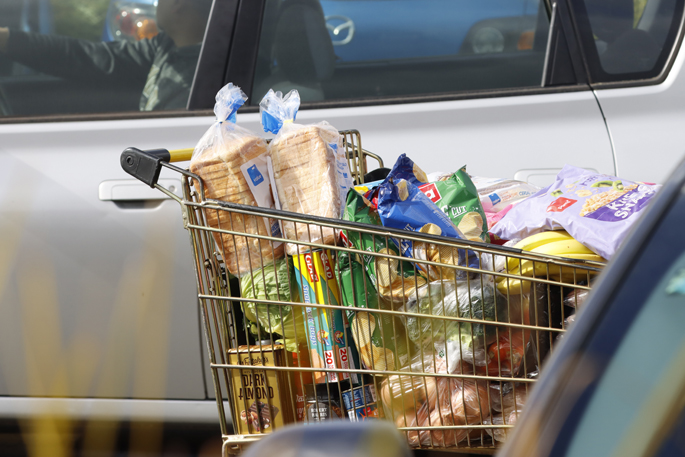
Food prices have had their their biggest annual increase in more than 30 years, driven by the cost of grocery items.
Prices were 12.1 per cent higher in March compared to a year ago, says Stats NZ.
It was the biggest annual jump since 1989, when prices increased by 12.4 per cent, and was slightly higher than the previous month's 12 per cent annual increase.
Grocery food prices increased by 14 per cent from a year ago and were the biggest contributor to the overall food price movement, driven by prices for eggs, potato chips and yoghurt.
Fruit and vegetable prices also soared, up 22 per cent from a year ago - driven by tomatoes, potatoes and avocados - and were the second largest contributor to the annual food price change.
Meat, poultry and fish prices rose 7.8 per cent, while restaurant and takeaway meals increased by 8.7 per cent.
Non-alcoholic beverage prices increased by 8.2 per cent.
Month-on-month, overall prices increased by a seasonally adjusted 0.5 per cent from February, says Stats NZ.
Grocery food increased by 2.3 per cent from February, but the rises were partly offset by a 1 per cent fall in meat, poultry and fish.
Food prices weaker than expected
ASB senior economist Mark Smith says while the annual increase was at a more than three-decade high, the increase was weaker than expected.
"There were fewer than expected signs of an immediate cyclone-induced boost to fruit and vegetable prices, but generalised rises were evident for grocery food price rises," says Smith.
"Food prices rose 3.7 per cent over Q1, contributing 0.7 percentage points to Q1 Consumer Price Index."
Food price rises remained ingrained, and consumers were cutting back where they could, says Smith.
"Conditions are in place that should see NZ food price inflation cool over 2023, but a difficult year lies ahead for NZ consumers.
"It is our hope that annual food price inflation has peaked - or is close to it - given lower global food commodity prices. However, the risk is that the current upward momentum in food prices takes longer to slow."

0 comments
Leave a Comment
You must be logged in to make a comment.