


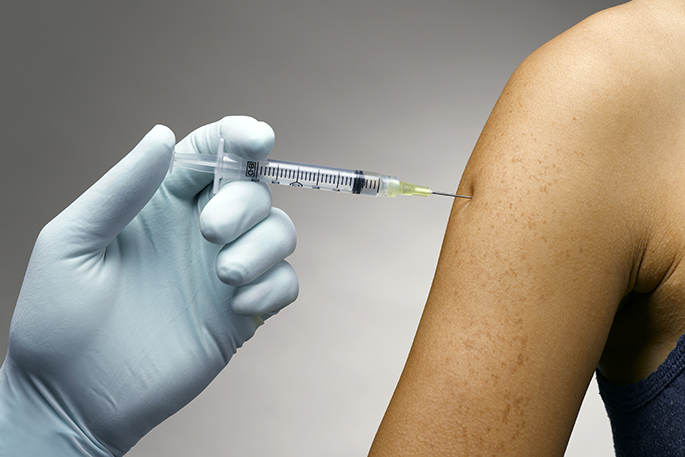
The government has granted the COVID-19 vaccine suppliers Pfizer and BioNTech indemnity from any claims that may arise from use of the vaccine.
Pharmaceutical companies often seek indemnities when developing a pandemic vaccine, because of the need to speed up the clinical trial process.
Indemnities may also be granted to the other suppliers of COVID-19 vaccines that New Zealand has secured.
The finance minister makes the final decision on whether indemnity should be granted, and did so in October last year.
Under Section 65ZD of the Public Finance Act, Grant Robertson also had to notify the House of the move "as soon as practicable after giving the guarantee or indemnity", because the liability is more than $10m.
He notified the House of the Pfizer and BioNTech indemnity on November 22, after granting it on 5 October.
Pfizer and BioNTech are supplying 750,000 courses of their COVID-19 vaccine.
The vaccine went through a full, albeit fast-tracked approvals process, including trials involving about 40,000 people.
It has 95 per cent effectiveness.
"It is common for pharmaceutical companies to seek indemnities in relation to pandemic vaccines that they need to develop in accelerated clinical trials," the Ministry of Health and Treasury said in a statement.
"The decision on whether to grant indemnity to a specific pharmaceutical company distributing vaccines in New Zealand is ultimately made by the Minister of Finance, after advice from officials."
There is precedent for offering indemnity to pharmaceutical companies over the supply of a vaccine.
In 2007 the then Labour government gave Baxter Healthcare indemnity from all claims arising from the use of a bird flu vaccine.
It's understood the vaccine never had to be used.
Treasury says the indemnity shields Pfizer and BioNTech from any potential legal action over use of the vaccine.
The government would take on that liability.
Indemnity may also be granted to the other suppliers of COVID-19 vaccines, although that has not happened yet.
The Janssen, Novavax, and the combined University of Oxford and AstraZeneca vaccines have also been secured by the government, and each could see indemnities granted to protect the suppliers.
Treasury says they would be considered on a case-by-case basis, and the final call would be made by Robertson.
The United Kingdom has also granted indemnity to Pfizer and BioNTech, and their vaccination campaign is well underway.

4 comments
Good To Know
Posted on 25-01-2021 15:55 | By Yadick
Good to know that the supplier has not got faith in their product of supply.
do you feel safe
Posted on 25-01-2021 16:37 | By hapukafin
If the government has given indemity to the vaccine company.How confident will we feel.Whats going to happen if someone has ill or crippling effects from it?
Over a barrel.
Posted on 26-01-2021 14:41 | By morepork
If you don't agree, you don't get the vaccine. Wouldn't it be great if we could research and produce our OWN vaccine? We have some very bright people working here; is it beyond us or is there just no money to do it?
@Yadick
Posted on 26-01-2021 14:49 | By morepork
I design and develop software that is being used around the world. (These are specialist software tools for a niche market which is rapidly declining - partly due to my tools being successful; I should have thought it through... :-)) The point is that before this software is released, it goes through incredibly extensive testing that is designed to break it. When it is released, I'm satisfied that it is entirely fit for purpose, contains no backdoors or malware, is completely "safe" and is as good as we can make it. AND YET, our standard contract has the same weasel clause as the pharma companies: "if anything bad happens you won't sue us and we are not responsible..." I have never liked this and I stand by my products, but I am legally advised, it has to be there...
Leave a Comment
You must be logged in to make a comment.