


If aquaculture is to reach the $1 billion target by 2025, it must diversify.
Government has a leading role to play in encouraging the research and development that will lead to diversity in crops and participation.
Will the aquaculture industry feature significantly in New Zealand's future? Yes, barring mishaps.
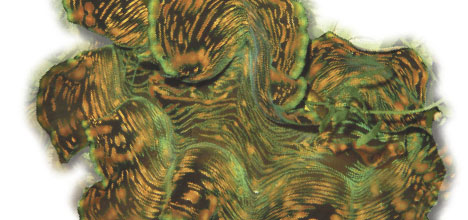
Community grown giant clams are in demand for aquria.
International markets for seafood are strong and likely to remain that way so long as more and more people join the middle classes in developing nations like China. These people now have the spending power to include – and demand – protein in their diet, and the health benefits gained from seafood.
But as the market increases, wild fish stocks are diminishing dramatically. These factors, together with strong backing from the government, have created a ‘perfect storm' for aquaculture that should allow the industry to reach its target of $1 billion exports within 15 years.
The flagships for growth will be salmon and green lipped mussels, so when industry says that aquaculture will reach $1 billion, they are really saying that the salmon and mussel industries will reach $1 billion.
But there are great dangers in putting all the eggs into one or two baskets – graphically illustrated by the recent herpes virus outbreak that has all but destroyed the oyster industry in many regions. Water, salt or fresh, is an alien environment and, apart from a few identified diseases, aquaculturists don't know what is out there and a single new viral infection could put a serious dent in their target. Similarly, the industry is concentrated in only a few hands, so one business failure would be a disproportionate setback.
Diversification in both farmed species and farmers is the industry's only protection, but diversity is not as easy to achieve as it should be. Established aquaculture businesses are focused on developing their core products, and major new investors are generally risk-averse enough to eschew new species. Establishing an aquaculture farm is expensive and risky enough without adding more risks. The alternative is to involve small business and interested individuals, such as farmers and coastal hapu, but there is little encouragement in New Zealand for small new entrants to become engaged and they are currently being largely excluded from the government's increased backing for the industry.
Encouraging small operators should be a win-win for the industry and government. Farmers, small communities and hapu often have access to good quality clean water, land and labour – all the prerequisites for aquaculture. Many farmers would be interested in adding a second or third string to their bows and small, often impoverished communities, are desperate for the employment, skills and income aquaculture would bring.
Australia's Northern Territory, which has more than its fair share of impoverished communities, may offer a model for New Zealand to bring these individuals and communities into the industry. They are establishing government, community and business partnerships that are helping indigenous communities into fishing and aquaculture ventures. The NT Fisheries Department has established a dedicated team of extension and development officers backed by a $1-2 million budget to work with communities, secured the assistance of other State and Federal Government departments to work with communities on feasibilities and business plans, and developed industry partnerships for their marketing and business expertise.
An example of industry involvement is Arafura Blue, an aquarium fish supplier who has developed a strong market for giant clams. With the help of Fisheries Department experts, they have recently begun breeding clams and placing them with remote coastal communities to grow to market size and then buying them back for on-selling.
With our close cultural links to water, such arrangements could work well in New Zealand and go a long way toward solving both industry and social problems. But success can only happen if the government gets behind it with incentives and legislative changes. Ultimately, it will all depend on the development of strategic government, research, industry and community partnerships.

0 comments
Leave a Comment
You must be logged in to make a comment.