


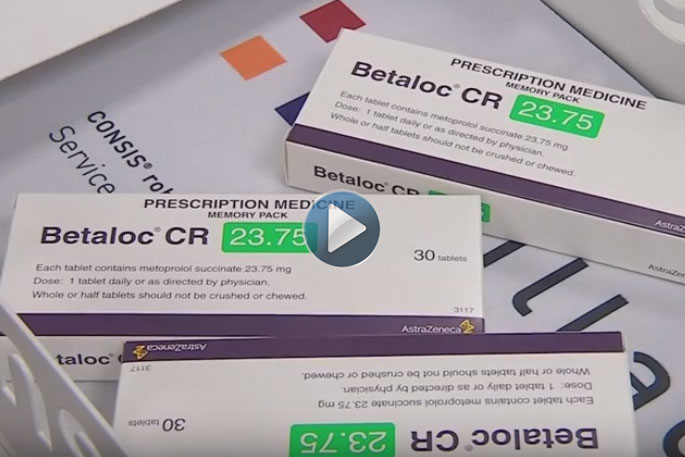
More than a quarter of Bay of Plenty Residents have had a doctor's prescription which they have not filled and 56 per cent have forgotten to take their medication as per their doctor's instructions.
GP Dr Daniel Wu says since NZ Post reduced their service, they have had many patients who have not received their prescriptions in the mail on time.
He says GPs simply do not know when a patient has not picked up their prescription.
In an effort to combat this, a new service has been launched to help address the high rate of medicine non-adherence and will employ new technology that send the prescription directly to the pharmacy, have the medicine delivered to the patient, remind the patient when to take it and alert the doctor if the patient is not following the regime laid out for them.
The Zoom Health study of more than 1300 patients found that for almost a third (29 per cent) of Bay of Plenty respondents the main reason they had not picked up a prescription was that they couldn't spare the time, or it was too hard to get to the pharmacy.
Another third of respondents (33 per cent) say they felt their condition had changed and they decided not to pick up their prescription.
Cost was the major barrier for almost a seventh (14 per cent) of respondents with a fifth (20 per cent) feeling apprehensive about potential side effects from the medication.
Zoom Health medical director Dr Daniel Wu says while there can be a number of reasons why patients don't collect their prescribed medicines, doctors have limited access to timely updates on whether patients are fulfilling their prescriptions.
'Every part of our general practice has over the last 15 years been transformed from a paper based system and brought into the digital era - but prescription delivery process is still stuck in the dark ages.
'Once the patient leaves our practice with their script, there is no sharing of data between the pharmacy and ourselves to ensure they have picked up their medication," says Dr Wu.
'With the downgrade of the postal service, we are having a lot of issues with the mail going missing or not arriving in time. This has meant some patients with chronic conditions quite often don't have enough medication for their diabetes or for their blood pressure,” he says.
Pharmacist Dale Griffiths says the new delivery service is designed to meet the needs of a patient group which is falling through a significant gap in the system.
Dale says community pharmacy does a great job with the patients who present their prescriptions, but it is clear from the research that there is a patient group who are being lost once they leave their doctor and this may have long term health implications.
'Research has shown that improving adherence to medication will have a greater impact to the health of a patient population than any other improvement in specific medical treatments.”
He says the study also showed that the majority (56 per cent) of Bay of Plenty residents admitted to having forgotten to take a prescription medication at some stage.
'Under the current healthcare system, there is no way for doctors to check if patients are filling their prescription let alone taking the medication on time.
'The Zoom Health service will use a world first technology to help HCPs ensure medication is reaching patients and provide a self-reporting tool which shows when they take it,” he says.
Dale says the findings of the new study are consistent with similar international research and says some estimates NZ could save over $1bn per annum in unnecessary health care costs if all patients took their preventative medications correctly.
He says the service will target prescriptions for non-acute conditions.
'A 2016 study in the Counties Manukau DHB found a high level of medicine non-adherence with around 20 per cent of prescriptions given to the 100,000 patients that present to the DHB each year not filled.
'While the research showed patients were more likely to be adherent to antibiotics, they were least likely to be adherent to medicines such as those used to treat respiratory disease.
'Often if a patient can't feel an immediate benefit from taking the medication, it can slip off their radar.
'The new delivery service will provide an extra layer of intervention, removing some of the barriers around adherence to medicine that may impact on a patient's long term health,” says Dale.
He says HCPs can send the patient prescription and mobile number to Zoom health who will then contact the patient to download an app. The Zoom patient app will allow the patient to pay for the medication and delivery as well as providing medicine information and reminders, plus help coordinate their repeats.
Dale says the new service and technology platform is expected to reduce the administrative load on general practices around repeat prescriptions and improve the information flow between patient, HCPs and pharmacists.

3 comments
Scam
Posted on 27-06-2018 11:42 | By Craven Moorehead
NZ Is one of biggest pill prescribing nations on Earth. It's a racket.
Amazing..
Posted on 27-06-2018 16:08 | By Marshal
One day our entire lives , from birth to death will be monitored ,documented and assessed . and medicated as seen fit . Scary stuff.. Go the giant Pharma companies.
Postal Prescriptions
Posted on 28-06-2018 08:58 | By Jazzabel22
Why are Doctors sending out prescriptions by mail they should be faxed through to the chemist my Dr has been doing this for years it's not a new thing
Leave a Comment
You must be logged in to make a comment.