


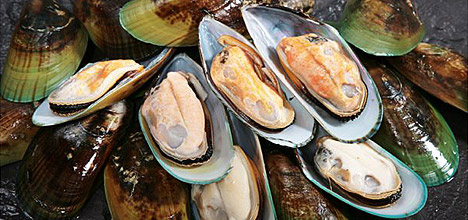
Tuatua from the ocean beach, cockles from the harbour are all off the summer barbecue menu at least until the second week of January.
The paralytic shellfish poison alert remains in force for Bay of Plenty beaches, medical officer of Health Dr Phil Shoemack says.
File picture.
The only good news is the area banned hasn't been extended as a result of the tests carried out this week. Ohiwa harbour' oysters are still safe to eat.
'Once the toxin levels are sufficiently high to put a warning in place we want to make sure its okay we want two clear results – two clear weeks at least before we say its all clear,” says Phil.
The Health Protection Unit of Te Toi Ora – Public Health, is advising people to avoid collecting or eating shellfish from the Bay of Plenty coastline from Tairua including Tairua Harbour, south including Whiritoa, Whangamata, Onemana, and east along the Bay of Plenty coastline from Waihi beach, including Tauranga Harbour to the mouth of the Whakatane River in the Eastern Bay of Plenty.
The warning includes all inshore islands within the above area. The coastline eastward from Ohope beach is currently unaffected.
The health warning affects all bi-valve shellfish including mussels, pipi, tuatua, cockles, oysters, scallops, catseyes and kina. Paua, crayfish and crabs can still be taken but the gut should be removed before cooking.

0 comments
Leave a Comment
You must be logged in to make a comment.