


Environment BOP has approved the Lake Rotoma action plan, which looks at what interventions should be carried out to protect and improve the lake's water quality.
The Lake Rotoma action plan has nine core actions aimed at reducing nutrients - nitrogen and phosphorus - into the lake to ultimately achieve the water quality Tropic Level Index (TLI) target of 2.3.
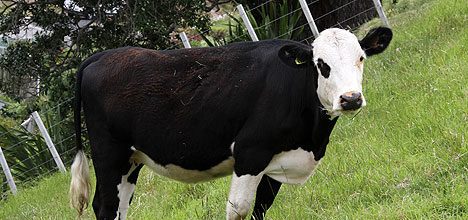
Dairy effluent is one of the main contributors to pollution in Lake Rotoma.
Primary sources of nutrients to the lake are from septic tanks and nutrients leaching into the lake from farming, in particular sheep, beef and dairy grazing.
Environment BOP chairman John Cronin says the action plan is a community document.
"It was developed in consultation with the community and all parts of the community are working together to improve water quality in Rotoma and reduce the amount of phosphorus and nitrogen to the lake," says John.
He says the key action in the plan was the sewerage system. Rotorua District Council has committed to completing sewage reticulation of all houses and public toilets along the southern shore of Lake Rotoma by 2012, which will meet most of the nutrient reduction target set for Lake Rotoma - 250kg/yr of phosphorus and 1320kg/yr of nitrogen.
Environment BOP will adopt a stewardship approach to farm land management with landowners of the two main farm blocks in the Lake Rotoma catchment.
"This is a voluntary approach which allows landowners to work cooperatively with the regional council and choose which nutrient management options to implement on their land.
"As a partner in any stewardship agreement we will be able to closely monitor progress made towards implementing nutrient management practices and their success."
Lakeside wetland planting, looking at alternative land uses and investigating and monitoring the use of innovative technologies also form the list of core actions.

0 comments
Leave a Comment
You must be logged in to make a comment.