


A Ministry of Health investigation into Waikato mental health services has found an appropriate model of care in place – but also makes recommendations for a number of changes.
Initiated in July 2015 and undertaken by Mental Health director Dr John Crawshaw, the final report says that overall the services were well managed but it had been facing considerable pressure.
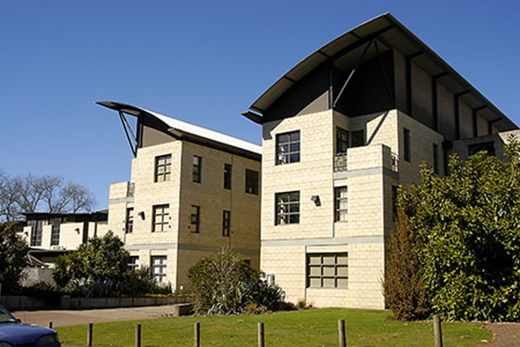
The Henry Rongomau Bennett Centre in Hamilton. Photo: Waikato DHB
Conducted under Section 99 of the Mental Health Act, the investigation was prompted by public concern following a series of serious events last year.
These include the suicide of one patient, the unplanned departures of three mental health patients in two incidents from the Henry Rongomau Bennett Centre in Hamilton, and the employment of an overseas doctor as a psychiatrist who now faces court charges related to identity fraud.
John says the investigation incorporates interviews with more than 200 front-line staff and 105 service users, family and whānau.
'There are families, and their loved ones with mental illness, who have been distressed by these incidents and by subsequent publicity.
'One incident resulted in a tragic death, and the Ministry extends its sympathy to those affected.”
The report includes a number of recommendations which have a key focus on building on existing changes to increase public confidence in the services provided.
The immediate recommendations from the investigation include:
* Addressing staff shortages – especially in critical areas
* Having a clear strategy to balance risks with good clinical management and patient rights
* Building support for mental health services internally and externally
* Building governance within mental health services
* Providing regular progress reports to the board and public.
The report also recommends long term changes in light of agreed mental health service plans, including integrated care pathways and strengthened cultural practices. These changes should be made over a realistic timeframe and done in a way to build community support, the report states.
John notes the Waikato DHB has already made changes to its mental health services in some of these areas including appointing an executive director of Mental Health Services in February.
Changes already made also includes getting a better balance of risk and rights through its training and management model, strengthening clinical governance and beginning a process of greater community engagement on mental health services.
Further changes will be regularly reported to the Waikato DHB and John in his role as the Ministry's director of Mental Health.
'I have recommended to the DHB that it uses these change reports to its board and to me as a key part of its increased community engagement around its provision of mental health services,” says John.
Health Minister Jonathan Coleman has welcomed the report saying it is crucial the public has confidence in the quality and safety of Waikato's mental health services.
The Minister acknowledges many families and patients were distressed by last year's incidents, and knows it has also been a difficult time for staff who remain dedicated to providing the best appropriate care to patients.
'While the report took longer than expected, it's been a thorough and complex process which involved interviews with over 300 people and nalysis of a large number of DHB documents,” says Jonathon.
'Waikato DHB has been implementing its strategic plan for mental health services, and the DHB has already made progress on a number of areas highlighted in the report. It's my expectation the DHB continues to improve its services to deliver high quality care to the people of Waikato.”
The DHB is also working with the Ministry of Health to develop a business case for a new facility to replace the Henry Rongomau Bennett Centre.

0 comments
Leave a Comment
You must be logged in to make a comment.