


Conservation Minister Maggie Barry says future of New Zealand's giant flightless parrot the kakapo is looking much brighter.
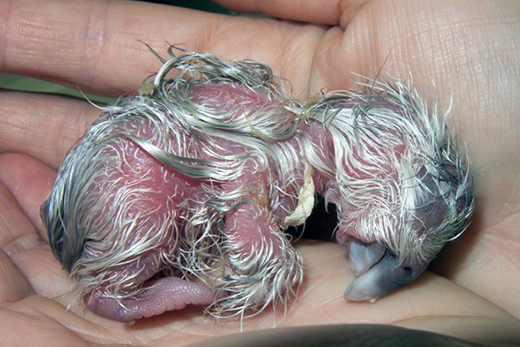
The last kakapo egg of the year hatched on Codfish Island west of Stewart Island on Friday morning, capping off a record breeding season for the Department of Conservation.
Zephyr 2 hatched on Codfish Island near Stewart Island on Friday morning. Photo credit: Andrew Digby/DOC
Maggie says the kakapo, named Zephyr 2, is the 46th chick to be hatched this year, making it the most successful breeding season in the 25 year history of DOC's Kakapo Recovery Programme.
'New Zealand owes the rangers and volunteers who have worked tirelessly through the season to date a vote of thanks. They are giving this special bird species the best possible chance of survival,” she says
Currently 38 of the chicks are alive and well, although the coming weeks will be crucial as young kakapo are extremely vulnerable and some may not survive into adulthood.
They will be checked and weighed regularly until they fledge at around 10 weeks old, and if they are not thriving in the wild, they will be brought in for hand-rearing.
It will be six months until the chicks are added to the head-count of the total kakapo population, says Maggie.
'The flash-flood on [Fiordland National Park's] Anchor Island last month which killed three chicks underlines just how precarious their lives can be.
'But we know that the Recovery Programme team is doing everything it can to ensure as many reach adulthood as possible.”
This year is the first time breeding has occurred on all three kakapo islands at the same time – Codfish and Anchor Islands in Southland and Hauturu-o-Toi /Little Barrier Island in the Hauraki Gulf.
There were also a significant number of first time breeders, both male and female, and the first successful breeding on Anchor Island in the decade that birds have been present there.
The kakapo, which is found nowhere else on Earth, is a world-famous native species which has become a standard bearer for New Zealand conservation.
Kakapo are notoriously picky breeders, only reproducing every two to four years, depending on the availability of fruit from trees such as rimu and beech, their primary food source.
With only 123 adult birds remaining, their protection is a key priority for DOC.

0 comments
Leave a Comment
You must be logged in to make a comment.