


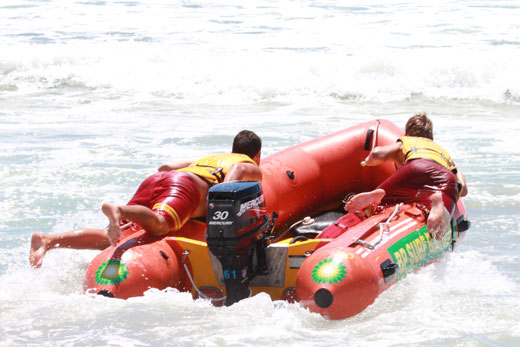
Two Coromandel beaches are in the top three spots in New Zealand for the number of water rescues undertaken by lifeguards this summer.
Surf Life Saving NZ statistics released today show the largest number of rescues took place at Hot Water Beach – almost double that of second placed Whangamata and third highest Mount Maunganui.
Photo: File.
At Hot Water Beach lifeguards undertook a total of 101 rescues, while 56 rescues were undertaken at Whangamata, and 54 at the Mount. They were followed by Piha with 53 rescues and Raglan with 47.
Other beaches in the top 10 were Muriwai (41), Sumner (40), Riversdale (35), Orewa (34) and Opunake (28).
With Easter marking the official end to the patrol season, Surf Life Saving statistics show nationwide rescue numbers have decreased by 37 percent on last season.
Surf lifeguards have spent 213,975 hours patrolling around 80 beaches since Labour Weekend 2013, rescuing 1029 people, down on last year's total of 1649 and more level with the 2011/12 season total of 1088.
Lifeguards have also conducted a total of 1715 first aid treatments, down 13.5 percent on last season's total of 1983. The number of searches undertaken also decreased from 360 last season to 264.
Surf Life Saving New Zealand CEO Paul Dalton says the number of beachgoers dropped significantly in most parts of the country due to the inconsistent weather patterns that New Zealand has seen this summer, especially during the Christmas holidays.
"Naturally, with less people on the beaches, there is less chance of people getting into trouble," he says.
However, for the many people that did visit the beach this summer, the unpredictable weather meant lifeguards were kept on their toes.
"The inconsistency of the conditions meant things could change very quickly, and that's when our lifeguards would jump into action," he says.
Most years, lifeguards will conduct around 1200 rescues on average. Paul says this year's statistics are down slightly on the average and down quite significantly on last year's seemingly endless summer that happened to be one of the busiest in years.
He says many of the rescues this season have taken place outside of patrol hours and outside of the flagged area.
"As patrols have now officially ended, we ask that people take responsibility for their own safety when around water," he says.
When swimming at an unpatrolled beach, Surf Life Saving New Zealand encourages beach goers to adhere to a few simple rules. Be prepared, watch out for yourself and others, be aware of the dangers and know your limits.
The Surf Life Saving season typically begins at Labour Weekend and runs through to Easter. Paul says with 18,000 members spread across 74 clubs nationwide, that's a vast web of skill and knowledge that is working together for the good of the community and literally saving lives.
"Patrols may have ended but for our volunteers, there are countless hours of training, continued up-skilling and keeping their surf clubs running. Being a volunteer lifeguard is a huge commitment, and for many of our members it's a lifetime commitment.
'Volunteers are the lifeblood of our national rescue service and it's thanks to our people, our lifeguards, that Surf Life Saving can continue to operate,” he says.
Top 10 nationwide rescue statistics:
Hot Water Beach 101 Whangamata 56 Mt Maunganui 54 Piha 53 Raglan 47 Muriwai 41 Sumner 40 Riversdale 35 Orewa 34 Opunake 28
Water Safety Tips:
- Always keep an eye on children in the water - Get a friend to swim with you- never swim or surf alone - Watch out for that rip… rips are calm patches of water that can sometimes have waves breaking to the side. Rippled, discoloured or foamy water with debris can also mean there is a rip present.

0 comments
Leave a Comment
You must be logged in to make a comment.