


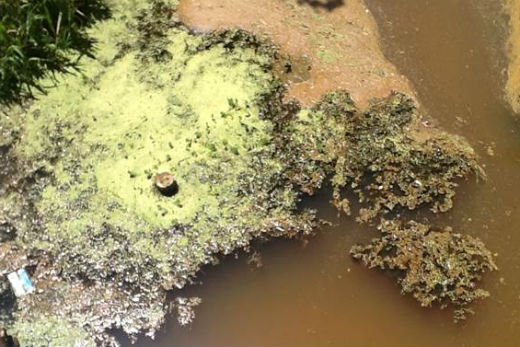
Tauranga Independent MP Brendan Horan is calling for swifter action on cleaning up New Zealand's rivers, lakes and streams claiming current attempts are 'intermittent and sporadic”.
The MP believes the National Government must 'put their money where their mouth is” and commit to action.
Brendan Horan's photos of the pollution on the Kaituna River. Photos: Supplied
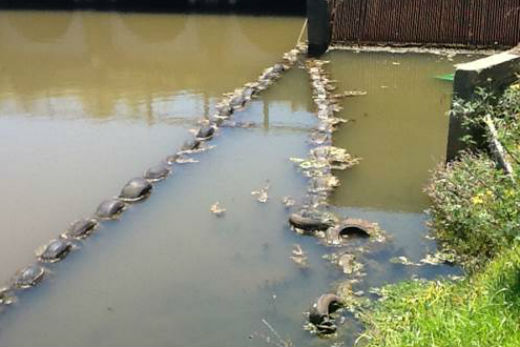
'New Zealand needs action on the many threats to the natural environment,” he told SunLive.
'In particular we need a robust and strong national water standard, so that accumulating problems in natural waterways can be properly addressed,” says Brendan.
'At present there are only intermittent and sporadic clean-up efforts and that is not good enough.”
His claims follow Environment Minister Amy Adams introduction of the Environmental Reporting Bill in Parliament yesterday. The bill will set in law the provision of comprehensive environmental information that is 'easy to understand, independent and relevant”.
Amy believes the bill will for the first time provide for legally-mandated independent environmental reporting, enhancing Kiwis understanding about the state of the environment.
'The Environmental Reporting Bill represents the Government's commitment to a step change in the way we monitor and report to New Zealanders on the condition of our natural environment,” says Amy in a statement to media.
'This Bill will mandate credible environmental information that paints an accurate picture, so the debate can be about the environmental issues themselves, not about whether the reporting is accurate, comparable or representative.”
But Brendan says any action, which will need funding, to clean up New Zealand's waterways must be better than what is currently in place. He says a good national water standard will raise the health of waterways in an affordable way - vital to New Zealanders.
To try and progress his claims the MP has been developing in conjunction with scientific experts and stakeholders an action plan for the Kaituna River tributaries – something he feels are heavily polluted.
Bay of Plenty Regional Council environmental management general manager Eddie Grogan disputes the claims saying the water quality of the small waterways of the lower Kaituna are not markedly different from many small lowland drainage channels draining farmland.
He says where the water is held back due to flow obstructions, such as pumping requirements, the combination of sunlight, warm water and some nutrients from surrounding farmland leads to the growth of some unsightly algae. There are also elevated levels of bacteria.
'The solution to these problems has already been identified and has in part been implemented,” says Eddie.
Regional Council staff met with Brendan in November to visit areas on the Kaituna and outline its plans for a Water Programme of Action, and riparian management in this catchment.
A decision was also made at Thursday's Council Regional Direction and Delivery Committee meeting to prioritise the Kaituna and Rangitaiki Rivers for implementation under the National Policy Statement for Freshwater Management.
New Zealand is one of only a few OECD countries that does not currently require independent reporting on the state of the country's environment.
The Environmental Reporting Bill reporting system will provide New Zealanders with comprehensive information on five key environmental domains - air, climate and atmosphere, freshwater, marine and land, with biodiversity as a theme across all the domains.
One environmental domain report will be released every six months. In addition, a comprehensive synthesis report covering all environmental domains will be released every three years.

0 comments
Leave a Comment
You must be logged in to make a comment.