


Acceptance into the prestigious Kellogg Rural Leadership Programme fits perfectly with the career path of a Bay of Plenty-based horticulture professional.
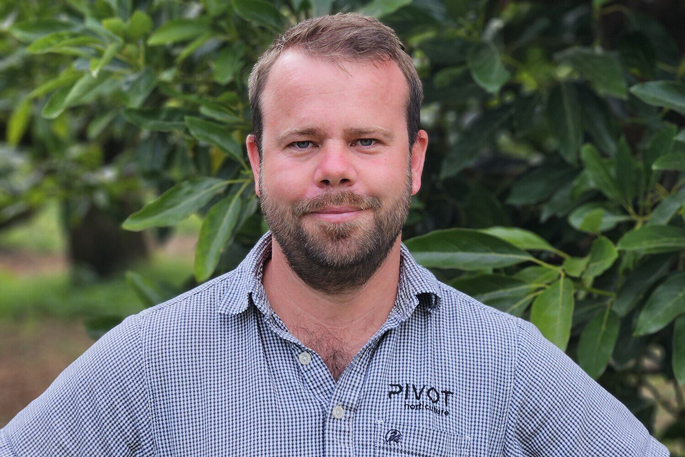
Nick Pridgeon, senior orchard manager with Pivot Hort, joined 24 other scholars in last month’s intake for the six-month programme.
“I had heard about the Kellogg Rural Leadership Programme through people in the industry over the years and knew it had a strong reputation for developing leaders across the rural sector.
“It had always been something I was interested in doing at some stage in my career.
“The timing felt right to apply now,” he says.
“I’m at a point where I want and need to continue growing both professionally and personally, and I saw Kellogg as a good opportunity to build on my leadership skills, broaden my thinking and gain perspectives from outside the kiwifruit industry as well.
“I was also interested in the chance to connect with people from different parts of the rural sector and learn from their experiences and challenges.”
Scholarship
He says he was fortunate to receive a scholarship through the kiwifruit industry via marketer Zespri.
“The scholarship makes it much more achievable to take part, particularly while balancing work commitments.
“Having that support not only from Zespri but also Pivot Horticulture removes some of the barriers and allows me to focus on getting the most out of the programme and applying the learnings back into the workplace and wider industry.”
The Programme has been developing leaders for the rural and agri-food sector since 1979.
There are currently two intakes of up to 24 scholars each year.
Careful selection
The New Zealand Rural Leadership Trust Programme, which runs the Kellogg scheme, says cohorts are carefully selected to maximise diversity across industries, level of experience, geographical location, gender and ethnicity.
“The residential format of the programme creates cohort networks and friendships across the country and industries through the mix of farmers, growers, producers and agribusiness professionals.”
Pridgeon says he hopes to get new leadership skills and different ways of thinking that he can apply in everyday practical situations.
“I’m looking forward to learning from people with different backgrounds and experiences, particularly from other parts of the rural sector, as I think there is a lot of value in hearing how others approach challenges and opportunities.
“I also see it as a chance to continue growing personally and professionally, build stronger networks and develop skills that will help me better support the people I work alongside and help contribute positively to the industry moving forward.”
He has spent his entire life in the Bay of Plenty, apart from a small period in the building industry in Auckland in his early 20s.
“Once I moved back home after living in Auckland I needed to make a choice, continue in construction or try something else.
“I needed money, so I worked on a family friend’s kiwifruit orchard and enjoyed it a lot.
“This led me to sign up at the Bay of Plenty polytechnic to study horticulture.
Orchard management
“I then started contract picking and pruning, which then snowballed into various roles in the industry, from orchard management to packhouse grower representative, but finally landing back into orchard management.”
Pridgeon has been with Pivot Hort for four years, with the senior orchard manager role involving overseeing orchard performance across multiple properties, working closely with labour teams and clients, and helping manage both the day-to-day operational side as well as longer-term planning.
“A big part of the role is supporting staff, problem-solving and making sure orchards are performing well while balancing quality, productivity and people,” he says.
“The role has given me exposure to leadership and strategic thinking, which is part of what sparked my interest in further development opportunities like Kellogg.”
The application process involved putting together information about his background, leadership experience and what he hoped to get out of the programme.
There was also a focus on identifying an area of interest or topic to research and how lessons could be applied.
“It was a good opportunity to reflect on where I’ve come from in my career so far and where I’d like to continue developing,” he says.
The programme includes a mix of theory sessions, workshops, industry engagement and a research project.
“It allows participants to continue working while completing the programme, which makes it practical for people already in fulltime industry roles.
“I will attend Lincoln University twice and for a period of time in Wellington.”

0 comments
Leave a Comment
You must be logged in to make a comment.