


An average rates rise of 7.2% has been set for Tauranga in the coming financial year.
While lower than forecast, councillors said it was still too high and community organisations were bearing the brunt of cuts.
Tauranga City Council set the 2026/27 rates in a meeting on Tuesday, which was interrupted by a bomb threat evacuation.
The Annual Plan’s 7.2% average increase across all ratepayers was down from 10.4% estimated in the 2024-34 Long-Term Plan and last year’s hike of 9.9%.
The median residential rates increase will be 6.9%, with commercial rates rising 6.8% and industrial rates 6.4%.
Water rates will rise 7.5%, increasing by $0.29 per cubic metre.
The council forecast its debt would rise from $1.51 billion to $1.736 billion over the year.
It would have a $432 million capital programme and require borrowing of $492 million for the year.
Mayor Mahé Drysdale said $226m of this was “new” borrowing.
A staff report said the rest was debt refinancing.
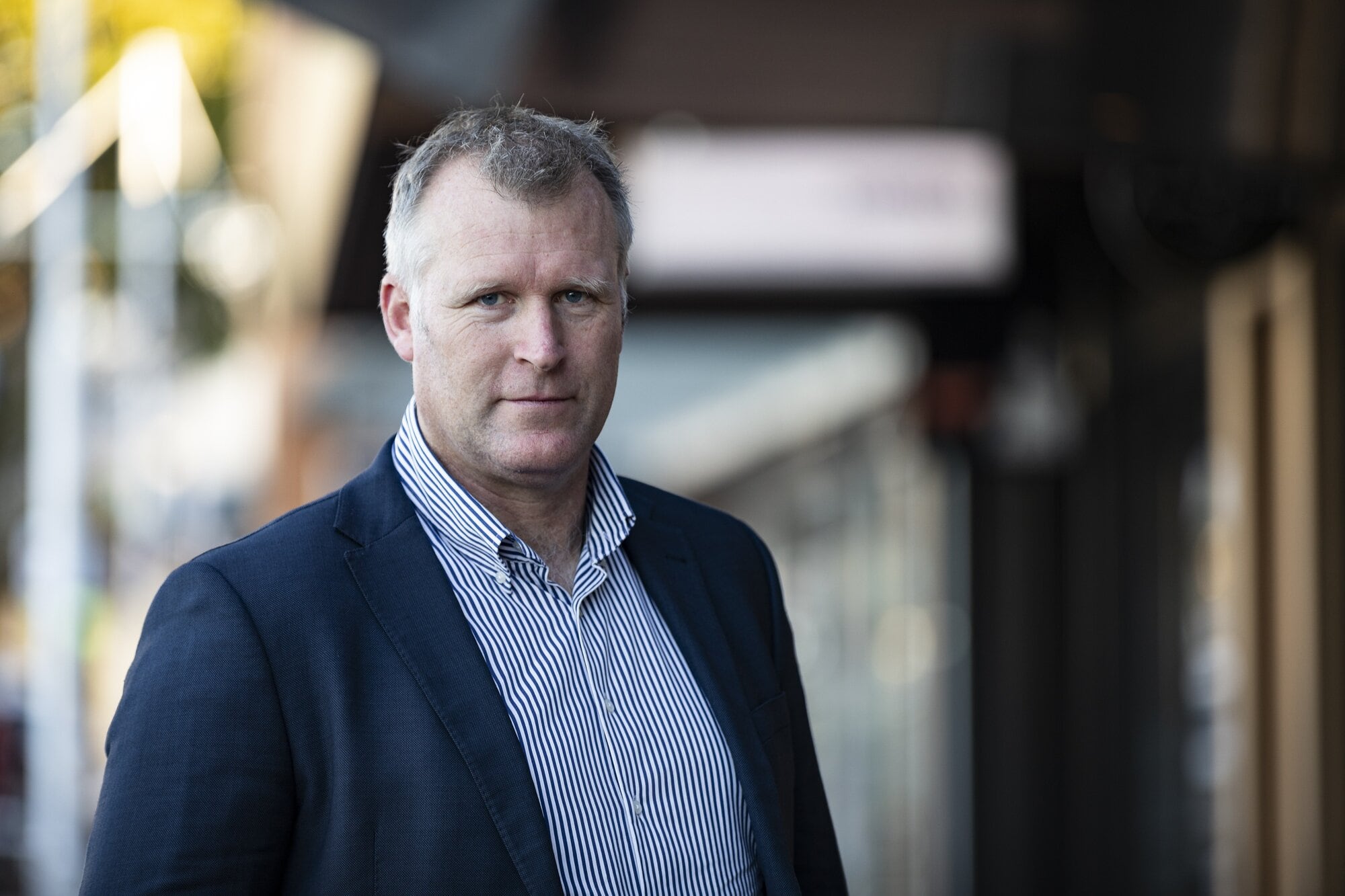
Tauranga mayor Mahe Drysdale. Photo / Alex Cairns
The council will still have to find $4.5m of savings throughout the year to meet its budget.
Drysdale compared value-for-money from rates to electricity bills.
“Most households would pay a similar amount in electricity and rates, and I think you get a lot more for your money for what you pay in rates than you do for just keeping the lights on with your electricity.”
Deputy mayor Jen Scoular and Matua-Ōtūmoetai ward councillor Glen Crowther both commented that the increase was “still too high”.
Scoular, the Mount Maunganui ward councillor, said there was “still work to go” to bring council operating costs down.
Welcome Bay councillor Hautapu Baker said the council needed to look at “living within our means” to cut unnecessary costs.
Te Papa councillor Rod Taylor said community organisations were “bearing the brunt” of the cuts by having their funding reduced, saying “not everything is positive”.
Community grants and events funding were among cuts made to bring the rates rise down.
The council’s plan, however, to close one community pool and two libraries on Sundays to save money was canned after community objections.
Projects reprioritised or deferred to reduce costs and improve deliverability included the Memorial Park Aquatics and Recreational Hub, while fresh geotechnical investigations were carried out and designs revised.
Council chief operating and financial officer Craig Rice said the $432m capital programme was down $132m on the long-term plan forecast.
This was because of the aquatic centre deferral and pending NZ Transport Agency Waka Kotahi funding approval for the Turret Rd to Welcome Bay and Cameron Rd Stage Two roading projects.
He said this is the last year the three waters will be included in the council’s Annual Plan, as it will be included in the new joint water organisation from July 1.
Drysdale said in a council statement issued after the meeting that the rates increase was “significantly lower” than forecast.
He said the council expected to come in under budget for 2025/26, with debt “$202 million below long-term plan forecasts”.
“That’s the discipline ratepayers should expect from us.”
The statement said growth in the city’s business sector had helped ease pressure on residential ratepayers by broadening the rating database.
Work funded in the plan included the Mount Maunganui College 50m pool, a $6m capital placeholder for storm recovery and the Gate Pa Community Centre.
Chief executive Marty Grenfell said staff had been working hard to identify efficiencies, review spending and ensure services could continue to be delivered effectively.

Tauranga City Council chief executive Marty Grenfell. Photo / Alex Cairns
Improved credit outlook
Credit rating agency S&P Global Ratings this week revised the council’s outlook from negative to stable.
The independent global rating agency also affirmed the council’s A+ long- and A-1 short-term issuer credit ratings.
It said the outlook change reflected its view that the council’s “very large deficits” would narrow after its water services were transferred to the new joint organisation.
“Deconsolidating water from Tauranga’s core services should strengthen its fiscal position. The council’s water activities are more highly indebted than its other services, and future capital expenditure requirements for water are larger than for other council services.”
The agency said a “sharp decline in capital spending” should “drive strong gains”, and operating surpluses were expected over the next two years.
It said debt would remain high because it funded a lot of the council’s infrastructure spending.
The agency said Tauranga’s economy had outperformed the national average over the past decade, growing its GDP by 3.9% and its population on average 2.8% a year.
“The council is investing heavily in essential infrastructure to support its growing population, resulting in substantial deficits and rising debt. However, we believe strong prospects for the city’s growth support the council’s long-term capacity to raise revenue as its number of ratepayers grows.”
Ayla Yeoman is a Local Democracy Reporting journalist based in Tauranga. She holds a Bachelor of Arts majoring in communications, politics and international relations from the University of Auckland, and has been a journalist since 2022.
LDR is local body journalism co-funded by RNZ and NZ On Air.


5 comments
And We All Know
Posted on 24-06-2026 19:10 | By Yadick
And we all know the long-term plan can be cut dramatically by demolishing the museum and meeting rooms plas and by dramatically cutting TCC staff and costs including coffee. Buy your own coffee like normal people have to.
Yes the cut in rates hikes is a start but a LOT more could've been done.
Misleading
Posted on 24-06-2026 20:15 | By Informed
Most of the shared services costs are hidden in other departments. What we need to see is benchmark of spend on these backoffice functions vs other like councils. Let’s see the comparison of the finance, procurement, governance, legal, risk and IT teams. TCC has the biggest IT team in the bay, why?
That’s a long…
Posted on 25-06-2026 10:50 | By Shadow1
…way from the rates cap envisioned by the Minister of Local Government. It probably could be 4% lower if they squeezed a bit harder.
What’s this about increasing our water rates? Are they preparing us for the huge increases when the next entity looks at their budgets?
Our water rates shouldn’t need to be increased so a lot more transparency is needed. We don’t want ratepayers thinking that money will pay for some of the things they took off the annual plan.
Shadow1.
The net pension
Posted on 26-06-2026 17:24 | By earlybird
rose by 3.1% so we'll be 4.1% out of pocket. Every cent counts for pensioners, so while it could be worse, it could be a lot better. Perhaps gold card holders can come into the council building for a free daily cup of coffee.
coffee
Posted on 29-06-2026 17:45 | By morepork
I LOVE earlybird's suggestion regarding Gold Card Seniors getting free TCC coffee.
The not-immediately-obvious flaw in the suggestion is that the coffee is NOT free; we (Ratepayers) pay for it.
I think it would be good , even if just psychologically, to be able to pop in for a coffee and hold in your hand something tangible that the administration actually GAVE you. (I know we paid for it, but that's not-immediately-obvious, and there is a feel-good factor at work here :-))
Leave a Comment
You must be logged in to make a comment.