


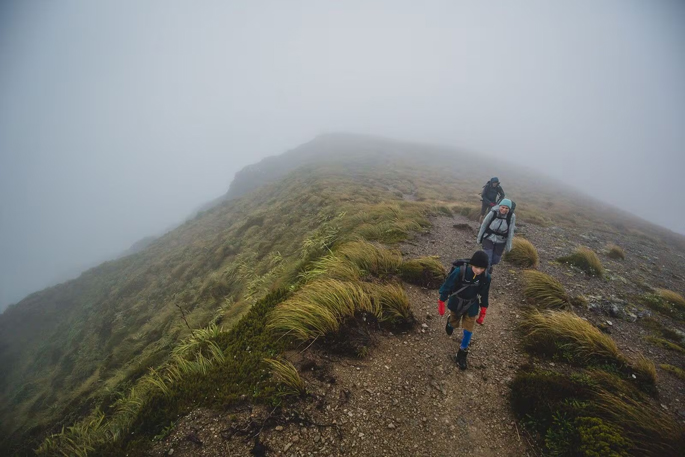
Bay of Plenty tramping injuries are highlighting the importance of planning before heading outdoors this autumn.
In 2025, ACC accepted 451 tramping-related injury claims in the Bay of Plenty, at a cost of $673,000 to help people recover.
With tramping and hiking remaining popular across the region, ACC and the New Zealand Mountain Safety Council (MSC) urge people to pause and plan before heading out.
Nationally, ACC accepted more than 9000 tramping injury claims in 2025, costing $12.4 million. It was the highest number of claims and cost recorded in the past five years.
ACC injury prevention leader James Whitaker said while tramping was a great way to enjoy the outdoors, conditions could change quickly – particularly during the cooler months.
“Daylight hours are shorter, weather can be unpredictable, and tracks can become slippery after rain,” Whitaker said.
“That’s why it’s so important to stop and ‘Have a hmmm’ before you go – if in doubt, don’t go out.”
Many tramping injuries occur on short walks or day trips, often on well-known tracks.
However, Whitaker said familiarity could give a false sense of security.
“Injuries can happen quickly on uneven or slippery ground.
“Most tramping injuries are caused by slips, trips and falls, which often lead to soft-tissue injuries that can put people out of action for weeks.”
He said whether people were heading out for a short walk or an overnight tramp, the fundamentals still apply: warm layers, a rain jacket, sturdy footwear, a head torch, enough food and water, and a reliable way to call for help.
“Where possible, tramp with others, stick together, make decisions as a group, and always tell someone where you’re going and when you expect to be back.”
MSC chief executive Mike Daisley said the steady rise in injuries reflected just how popular tramping and hiking have become.
“Over the past decade, more adults have taken up hiking, and we’ve seen injuries increase alongside that,” Daisley said.
“Most injuries are minor and people recover well, but many of them are preventable with better planning and decision-making.”
He said matching trips to experience, fitness, and conditions – rather than ambition – was critical.
“We know from analysing injury data, search and rescue incidents, and fatalities that preparation plays a major role in keeping people safe.”
Tramping injuries by the numbers – 2025
- Bay of Plenty: 451 tramping injuries, costing $673,000
- Nationally: 9058 tramping-related injuries at a cost of $12.4 million
- Regions with the highest number of injuries: Auckland (1562), Otago (1299), Canterbury (1277), Waikato (819)
- Leading age groups: 25–29 years (866) and 30–34 years (859)
- Females: 5554 injuries; Males: 3497 injuries
- 85% of tramping injuries were soft-tissue injuries, with knees and ankles most commonly affected
Staying safe on the trails
- The NZ Mountain Safety Council provides resources, tips, and insights to help people prepare for the outdoors.
- Plan My Walk is a free tool that helps trampers learn about tracks and plan safely.

0 comments
Leave a Comment
You must be logged in to make a comment.