


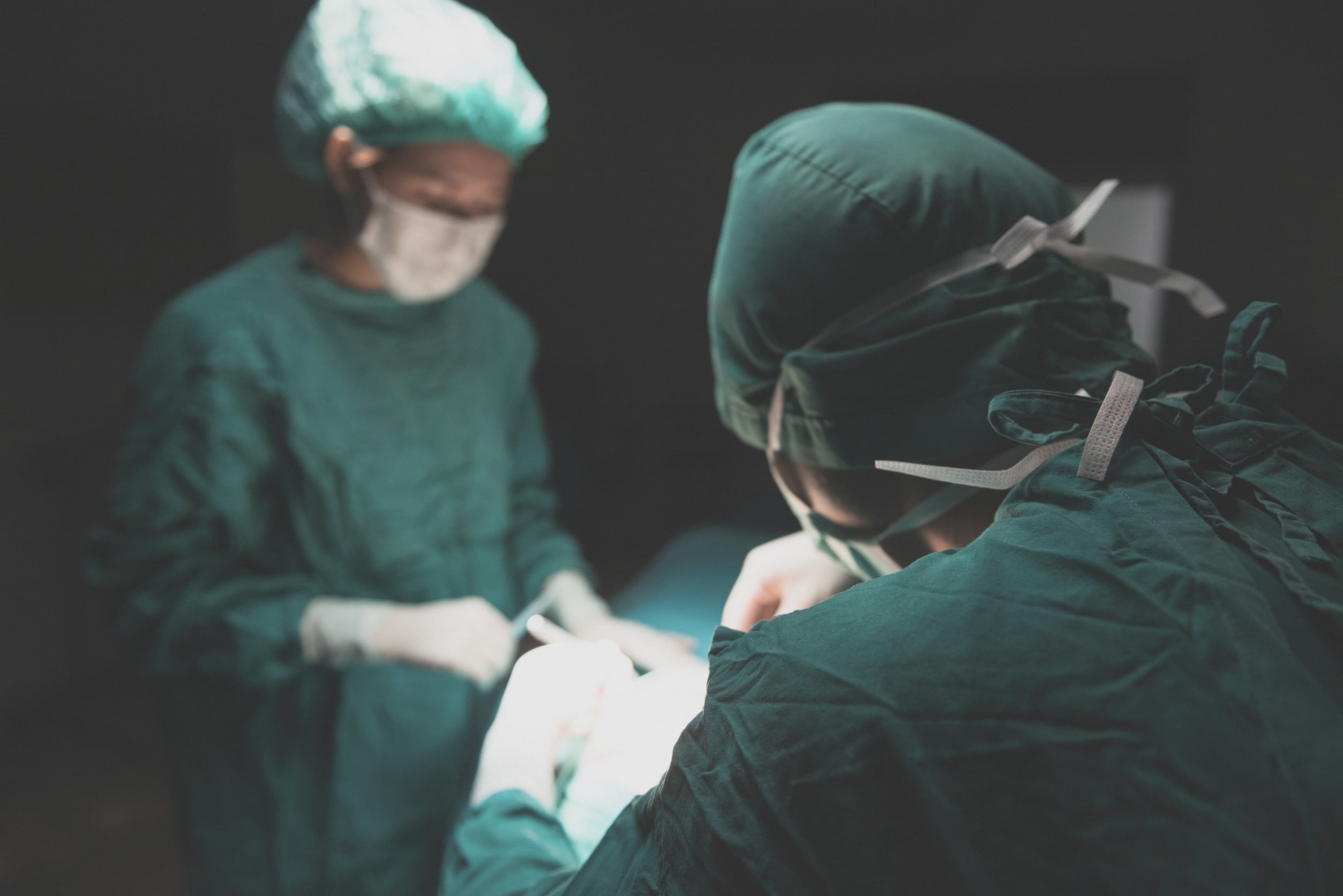
A weight-loss specialist is concerned about the number of patients needing serious patch-up operations after getting cut-price surgeries overseas.
Waikato bariatric surgeon Dr Rowan French said there needs to be more procedures funded here to discourage people from taking serious risks.
There is a growing market for so-called medical tourism, where people travel to places like Turkey, Thailand and India to get weight-loss surgery, knee replacements and cosmetic procedures for lower prices. Many offer packages for flights, accommodation and medical services.
There are at least five New Zealand groups offering assisted medical package deals to Turkey and they all started within the last two years.
Aotearoa has a growing problem with obesity, but it’s estimated that only about 500 bariatric surgeries are publicly funded each year, and the criteria is strict.
The cost of going private for stomach or bariatric surgery here can be about three times what it costs in the medical tourism countries.
French is increasingly concerned about the medical complications suffered by some people travelling for cut-price surgery.
He told RNZ that he and other doctors had seen a spike in problems they had not seen before, particularly over the past nine to 12 months.
“We’re seeing things like staple line leaks, they can occur in any patient having surgery anywhere, but they just seem to be particularly frequent.”
French said there had been circumstances where patients were given the wrong surgery.
“A patient who asked for a conversion of a gastric sleeve to a gastric bypass and instead of that they had a loop of bowel joined to their gastric sleeve which is you know a completely different operation.”
He said it was also common for patients to have obstructions caused by surgery being done incorrectly, which meant they could not eat.
“They get told it’s traveller’s illness and they get put on the plane and usually end up in hospital immediately as soon as they get back.”
Another patient had suffered partial paralysis from a vitamin deficiency caused by an operation.
French said it wasn’t rare to see patients who were close to death.
“The serious ones we tend to see straight away, so they literally are off the plane and straight into hospital. Last week we had two patients and one with a serious staple line leak who was close to death getting off the plane.”
Sepsis is a key issue being caused by the budget operations, which French said can take a long time to resolve.
“Usually it takes a couple of months to sort that problem out, so they’ll be in hospital in the region of at least 6 to 8 weeks.”
While it is difficult to confirm the numbers, French said he was sure there had been deaths as a result of poorly done surgeries.
“I have a house surgeon at the moment who has two aunties that went overseas in February – one of those never returned because she got sepsis after surgery.”
Patients who’ve suffered because of overseas surgeries often don’t have insurance cover, with the cost falling on to the public system.
“A patient with a staple line leak or an obstruction might require two or three operations ... that’s going to be at least $100,000 of work ... just to fix someone else’s problem.
“Often low decile, low health literacy patients that’s where the harm seems to be occurring, of course, ACC cover doesn’t apply to these patients, so you can’t get ACC cover for if you’ve had medical treatment overseas. So really it falls upon the public health system to do the work.”
French said while it was likely a low portion of patients returning to New Zealand with a complication, there were other risks that came with overseas surgeries.
“Surgery is far more than just an operation. Without proper preparation, without proper follow-up, the chance of keeping weight off beyond a couple of years is probably less than 10%, and to my knowledge, none of these patients are getting proper preparation and proper follow-up.”
He believes the problem could be diminished if more surgeries were funded here.
“At the end of the day, it’s really a failure of the country to look after this vulnerable group of patients so that they’re forced to seek cheap trip and overseas, which is unsafe.”
Currently, French is allowed to do 50 bariatric surgeries each year but said he would like to be able to do at least 50 more. Each surgery costs about $20,000.
“We need to keep advocating for better public health measures to sort of try and address the problem at the source.
“If we don’t do anything this trend of medical tourism driven by social media and influence is going to continue and our public system is gonna pay the price unfortunately.”
-RNZ
DIETS/HEALTH CHANGES
• Consult a GP or other qualified healthcare provider before starting any diet or making any health changes suggested in this article. Individual needs for nutrition and exercise may vary. Always seek the advice of your GP or other qualified health provider with any questions you may have.
• Healthline provides a 24 hours a day, 7 days a week over-the-phone health service at 0800 611 116 you can call for free health advice, information and treatment from professional healthcare providers.

0 comments
Leave a Comment
You must be logged in to make a comment.