


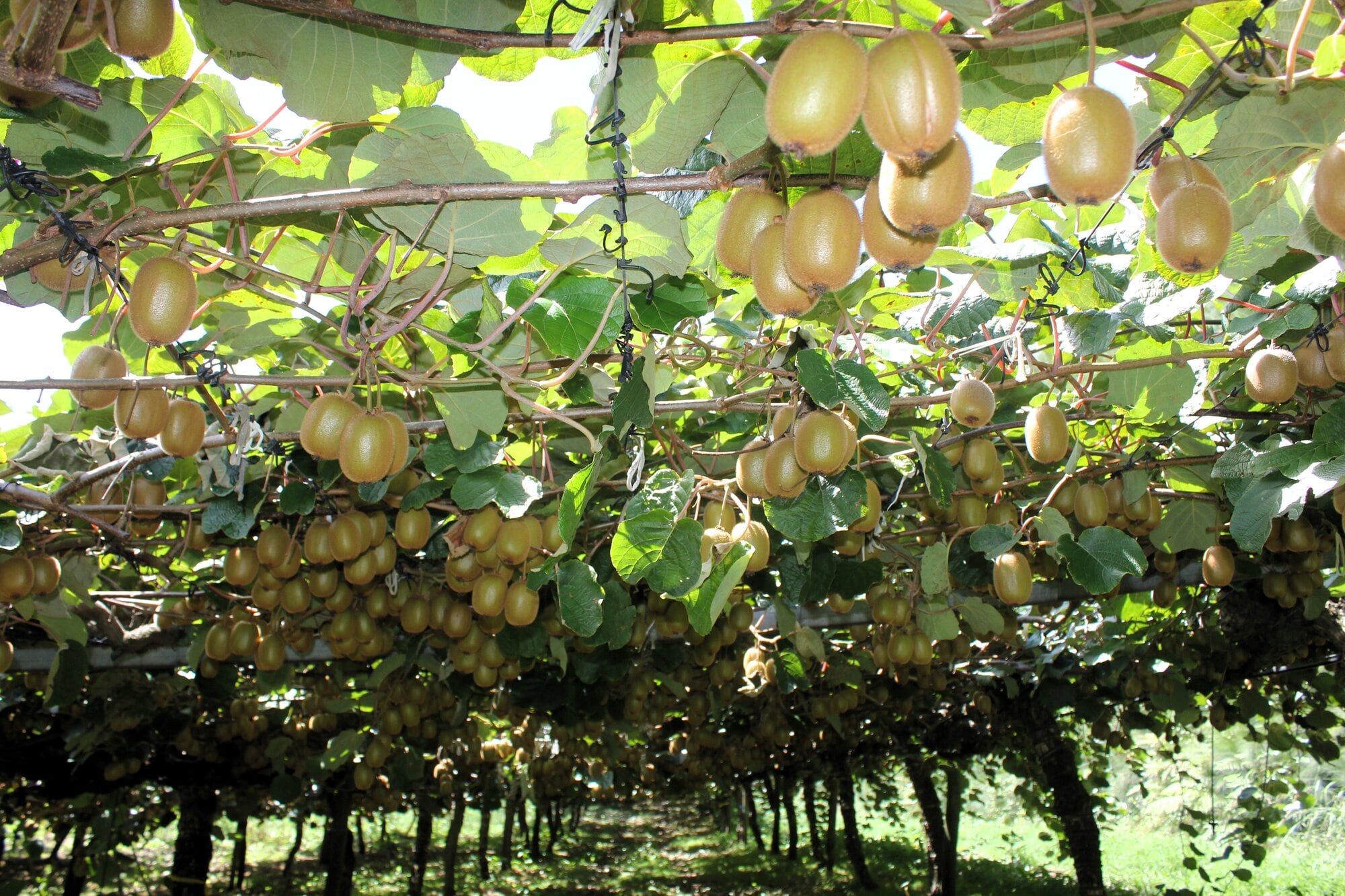
Kiwifruit marketer Zespri has lofty goals for the next decade.
CEO Jason Te Brake says a central part of Zespri’s 2035 strategy is its ambition to be the world’s healthiest fruit brand, making sure that the operation is first for consumers, first for growers and first for people.
“We want to provide the healthiest products, have the healthiest brand, develop the healthiest supply chain and partnerships, and have the healthiest people and culture,” Jason says.
“These are critical aspects of our ability to deliver the healthiest returns to our growers and shareholders.
“Having exceeded our long-standing goal of $4.5 billion in revenue by 2025, we’re continuing to develop our 2035 strategy to ensure we remain future-fit in a global environment that will be more competitive and more complex.
“Our refreshed strategy will build on the fundamentals that have driven our industry’s success in recent years and is designed to position us to deliver long-term sustainable value to our growers and our shareholders.”
Key trends
In considering its strategic approach, Jason says Zespri has been guided by “key macro-trends” it expects to impact the world over the next decade and beyond.
These include health and wellbeing, technological advancement, geopolitical complexity, environment and economic impacts.
Jason says there is an increasing focus on health and wellbeing, particularly with many of Zespri’s markets having ageing populations and suffering from hidden health challenges.
“This is resulting in an increasing number of consumers looking for naturally nutritious products and who are willing to pay premium value for brands who look after their health and have a positive impact on society.”
Jason says rapid advancement in technology, such as artificial intelligence (AI) and machine learning, is likely to have a significant disruption on people’s lives in the future.
“We will see consumer buying decisions and habits increasingly influenced by it and our competitors becoming more efficient and able to move faster as a result of adopting new technology.”
In a more complex geopolitical environment, characterised by countries moving towards isolationism and implementing trade barriers, Jason says the rising preference for purchasing local products is highlighting the importance of having geographical diversification – both from a growing and market perspective.
He says climate change will continue to have an impact on businesses around the world.
“This will likely mean there is greater volatility in the production of consistent quality fruit, with regulators and consumers around the world also requiring innovative change to reduce environmental impacts.
“Linked to this is the need to develop more efficient, agile and optimised supply chains to be able to avoid and offset the increasing cost pressures around the global economy.”
Jason says increases in the costs of production and living is squeezing margins and putting pressure on households.
“We will need to continue to innovate and improve productivity and efficiencies throughout the supply chain.”
Jason says Zespri’s 2035 strategy is built around three key priorities – unleashing brand-led demand, transforming its global supply and creating the product portfolio of the future – and executing them well.
“While we’re confident in our ability to create value in the market moving forward, we’re also focused on ensuring we’re well positioned to deliver as an industry.”
The 2035 strategy will be formally unveiled at the industry’s next Momentum Conference in February.
Season forecast
In its first full forecast for the 2025/26 season, Jason says Zespri was on track to deliver strong value back to growers.
“The forecast reflects the strong start to the season, with average per-hectare returns forecast to reach record levels for all categories other than SunGold and Organic Green.
“Our latest forecast is positive news for growers in a season with even more fruit to sell, with sales tracking well across our key markets, including through the traditionally more competitive summer fruit season.
“It’s been encouraging to see Europe and North America performing strongly, with Europe a particular standout with more than two million trays sold each week for the past 13 weeks [to the end of August].”
To support this demand, Jason says additional fruit has been reallocated to these markets from Asia, where local economic conditions have been more challenging.
“We’re also closely monitoring our progress in China, where macroeconomic conditions and sales rates are softer and where we have more inventory than preferred, with our team focused on selling fruit through quickly with less summer fruit in the market.”
At a per-tray level, he says forecast returns have lifted from the June forecast for all categories other than SunGold and Sweet Green, which remain within the indicative ranges provided in June.
Jason says Zespri remains focused on finishing the season strongly and maximising value returned to growers.

0 comments
Leave a Comment
You must be logged in to make a comment.