


The SPCA is stressing the importance of vaccination amid a spike in parvo cases in the Bay of Plenty.
Canine parvovirus, more commonly known as “parvo”, attacks the cells in the bone marrow and intestines and is highly contagious and often deadly.
“Vaccination is the only effective way to prevent parvovirus,” said Tauranga SPCA centre manager Andrea Crompton.
“Puppies and dogs that are not vaccinated are most at risk.”
The virus is transmitted by direct contact with faeces or vomit or through contaminated surfaces such as bedding, cages, food dishes, surfaces, and the hands or clothing of people who come into contact with the infected dog or its faeces or vomit.

A puppy with parvo requires intensive, expensive treatment and still may not survive.
Parvo causes severe vomiting and bloody diarrhoea and a drop in infection-fighting white blood cells.
“In puppies, it can also affect heart muscle, sometimes resulting in death or lifelong heart problems,” said Crompton.
“Parvo is widespread, highly contagious, and often fatal. Even with intensive veterinary care, survival is not guaranteed.”
Crompton said that with prompt and intensive veterinary treatment, survival rates can be as high as 70-90%. However, without treatment, the mortality rate is very high – up to 90%.
“Vaccination is a proven and highly effective way to protect individual dogs and reduce the spread of the virus in the community.”
Puppies need to complete a series of vaccinations before they are fully protected, and adult dogs must receive a regular booster vaccination.
Crompton said puppies should typically begin their vaccination series at 6 to 8 weeks of age, with additional doses every two to four weeks until they are at least 16 weeks old.
A booster is given six to 12 months after the final puppy dose, depending on your vet’s recommendation, followed by boosters every three years.
“Boosters are essential because immunity can wane over time, and regular boosters ensure continued protection against this life-threatening virus.
“The virus is extremely hardy and can survive in the environment for up to a year, even in harsh conditions.
“If a property has had a previous case of parvovirus in it, it is important that any new dogs at the property are fully vaccinated, otherwise they are at high risk of contracting the virus.”
Crompton said symptoms usually appear seven to 10 days after exposure but can take up to 14 days.
Dogs may begin shedding the virus up to three days before showing any signs of illness.
“Parvo progresses rapidly, often within 24 to 48 hours of the first signs appearing.
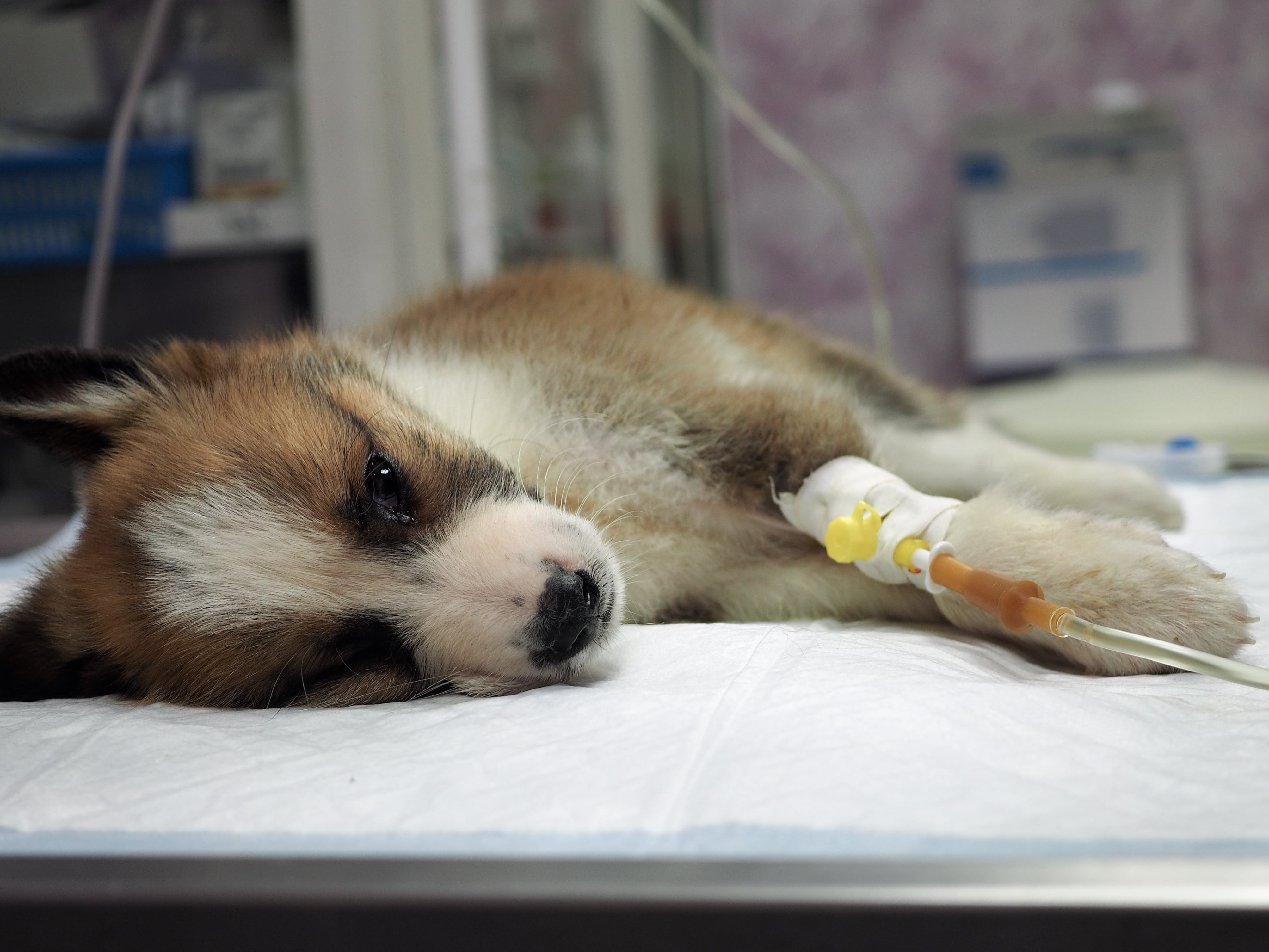
Crompton said treating a canine with Parvo can cost upwards of $1000. Photo / 123rf
“It can go from mild signs to life-threatening illness very quickly, so immediate veterinary care is essential.”
If you suspect your puppy has parvo, Crompton said, contact your vet immediately before taking them in.
“This allows the clinic to take precautions to protect other animals. Your puppy will need urgent treatment, including IV fluids, medications, and possibly hospitalisation. Time is critical.”
Vaccination costs vary between clinics. Crompton said they can be between $50 and $100 per vaccination, with up to three vaccinations required three to four weeks apart in the initial vaccination schedule, depending on the age of the dog when they receive their first.
Annual or three-yearly boosters are then required to maintain vaccination status.
“Treating a canine with parvo can cost upwards of $1000, as it often involves extensive hospitalisation and supportive treatment, and even then, it may not be successful.
“It is much more affordable, and far less heartbreaking, to vaccinate a puppy or dog than to treat one for parvo.”
While the puppy is receiving vaccinations, it is also in some of the most important times for its social development.
“Socialisation is vital for a puppy’s development, but it must be done safely.”

The SPCA advises owners of vulnerable pups to organise playdates with fully vaccinated, healthy dogs in controlled environments.
To balance protecting the puppy from parvo and socialising them through those crucial stages, it is important to organise playdates with healthy, fully vaccinated dogs.
“Until they’re fully vaccinated, avoid putting your puppy on the ground in public places or letting them interact with unvaccinated dogs.
“Carry them in public or organise playdates with fully vaccinated, healthy dogs in controlled environments.”
Through the SPCA centres around the BOP region, Crompton said they have dealt with more than 20 cases since January, but there are more cases in the community they are also aware of.
“This is significantly higher than the total cases we saw in the entirety of 2024.”
For more information on safe socialisation, visit https://www.spca.nz/advice-and-welfare/article/puppy-socialisation

0 comments
Leave a Comment
You must be logged in to make a comment.