


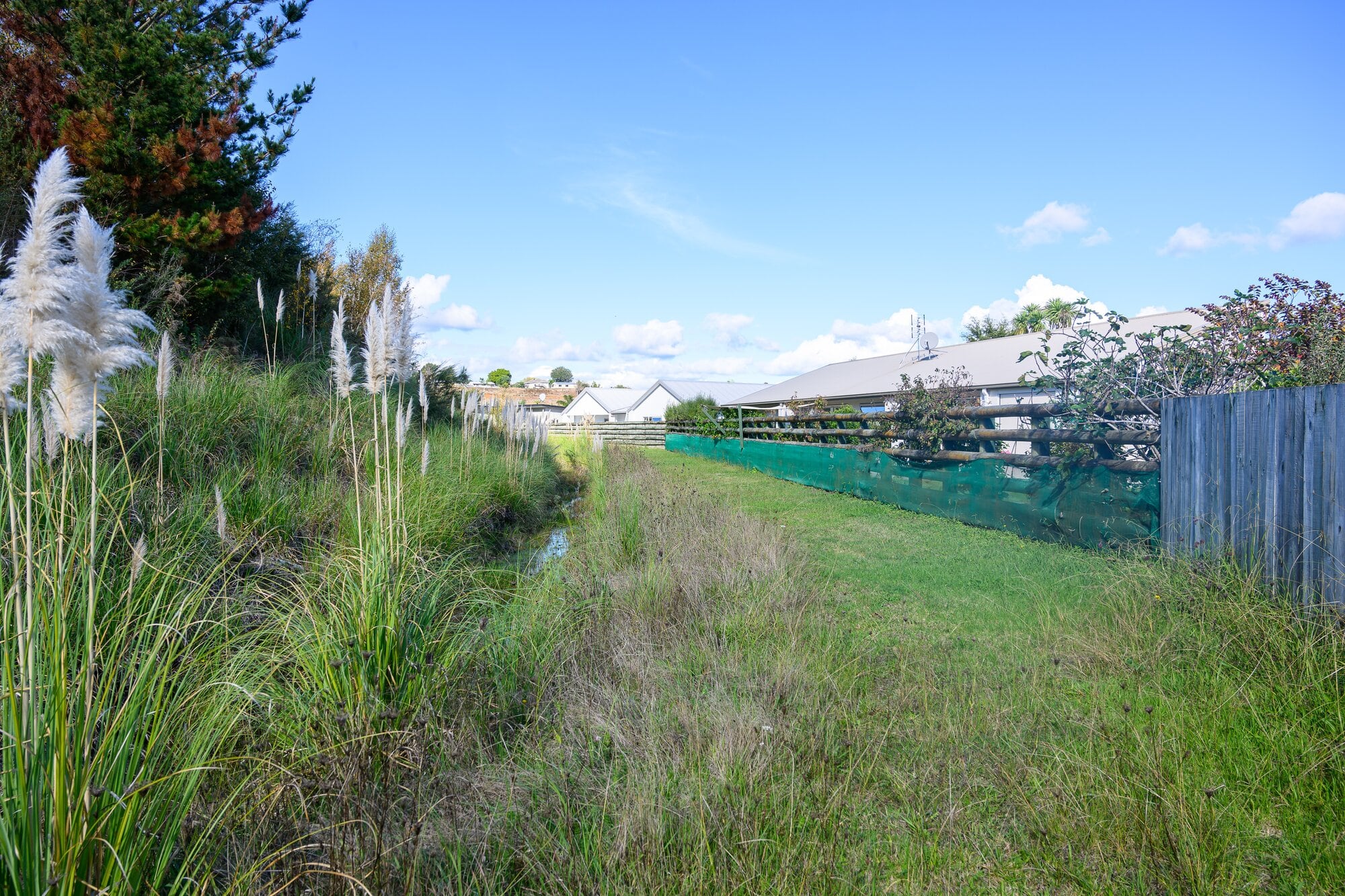
Drone spraying is low-risk says the Bay of Plenty Regional Council, despite concerns from Brookfield residents who are worried planned spraying of a neighbouring block will kill all vegetation and trees on the embankment.
The owner of the vacant block told SunLive he’s following guidelines from the regional council to control the weeds on his property.
Spraying was planned to be completed by May 12, but actual dates of spraying would depend upon weather and contractor availability, he said.
A resident, who did not wish to be named, said his family home in Saint Pauls Drive in Brookfield backed on to a 16ha-plus vacant block.
“There are another 14 homes in the identical situation,” he said.
He said affected residents were concerned the spraying would kill all vegetation and trees on the embankment and that dead vegetation could end up slipping into the homes and businesses along Saint Pauls Drive.
“We also are concerned that as the embankment is immediately adjacent to those homes located on Saint Pauls Drive it will not be possible to protect personal property and gardens from overspray due to the size of the trees and other vegetation.”
Approved application
The owner of the block, Paul Taylor, said: “As the landowner, I understand my responsibilities to keep the weed control in hand and have followed the guidelines of the regional council and believe this is the best application to maintain the property for a long period of time and on an ongoing basis.”
In a letter to affected residents, Taylor said herbicide would be applied via spray drone and would be limited to the target area.
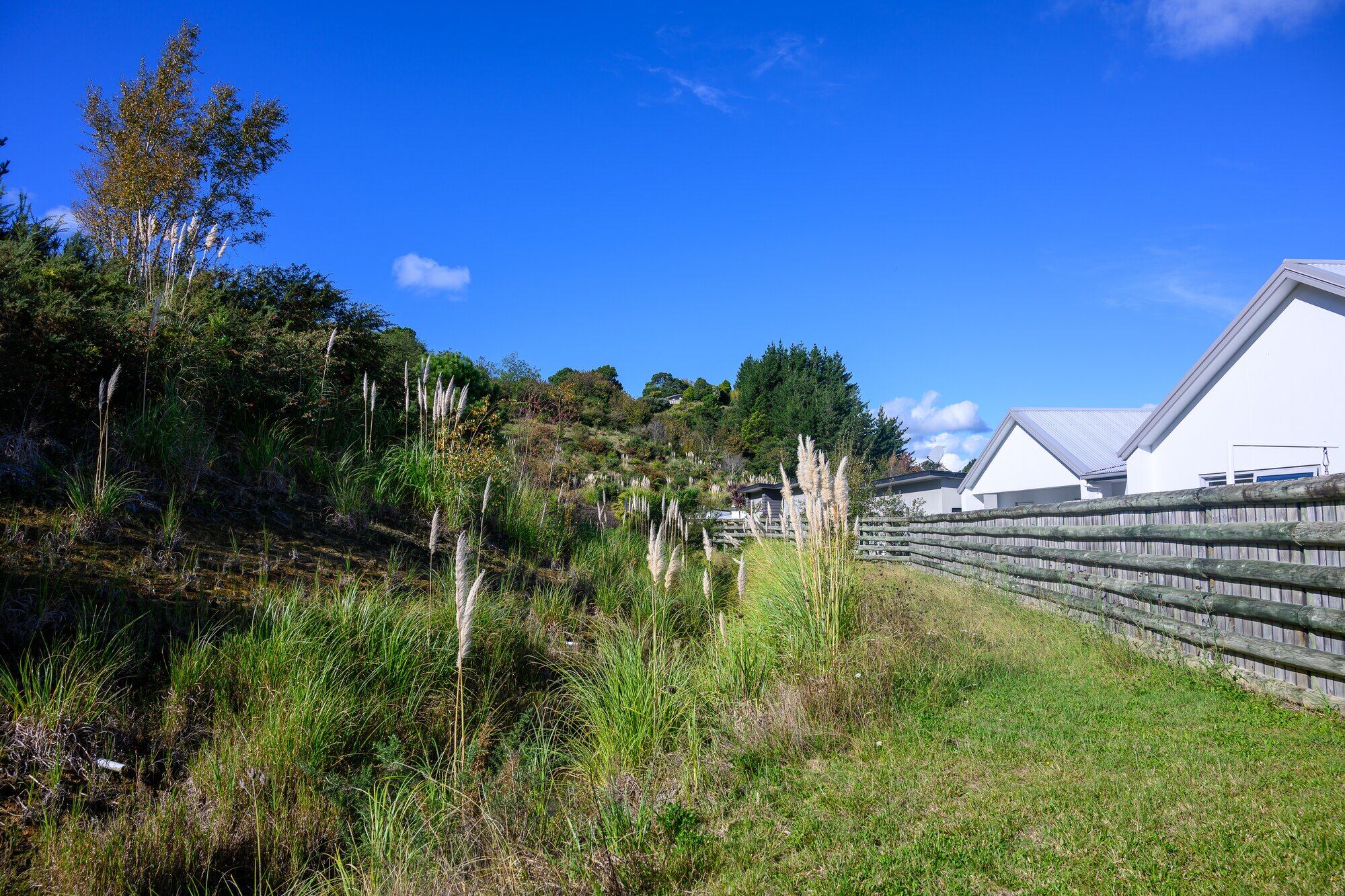
The property behind homes on Saint Pauls Drive. Photo / David Hall
He said precautions included a detailed spray risk mitigation plan to manage all potential risk around this activity.
There would also be “accurate and careful use of equipment to ensure the safety of individuals, animals, and the environment”.
Bay of Plenty Regional Council‘s Regional Pest Management Plan requires occupiers to destroy gorse within 10m and woolly nightshade within 200m of property boundaries when adjoining neighbours are free of or actively managing these pests.
Biosecurity officer Dave Grimmer said for this specific property, the council’s biosecurity team instructed the landowner to manage the pest plants woolly nightshade and gorse after multiple complaints from owners of neighbouring properties.
“The landowner has previously undertaken some control of these pests in response, but further control is required.”
Best option
Grimmer said the biosecurity team recommended the use of a local UAV (unmanned aerial vehicle) operator as the “best option for targeted and cost-effective control of these and other pest plants present on this property”.
The landowner and the contractor engaged by the landowner are responsible for the operation, within the framework of the council’s Regional Natural Resources Plan.

Bay of Plenty Regional Council compliance team leader (air, industry and response) Trudy Richards. Photo / Supplied
Regional council compliance team leader (air, industry and response) Trudy Richards said the use of drones (UAVs) was regulated and managed by the Civil Aviation Authority as they are considered aircraft.
Pilots are required to hold a 101 or 102 CAA qualification to operate a UAV. To apply herbicide from a UAV they also are required to hold a CAA pilot chemical rating certificate.
Richards said no resource consent application was required for the Saint Pauls Drive spraying operation as it was a “permitted activity” under the Regional Natural Resources Plan.
Council-imposed conditions require that neighbours within 50m of the application area must be notified within the required timeframes (between 12 to 72 hours prior).
Richards said the operator must have all the relevant qualifications required and use the herbicides as per their intended and approved use, which was regulated by the Environmental Protection Authority.
“The discharge must not be noxious or dangerous, offensive or objectionable (as assessed by a council enforcement officer) beyond the boundary of the subject property.”
Anecdotally, she said the use of UAVs was gaining popularity in providing a solution for safer and more effective management of large and challenging pest plant issues in the region.
“Drone-based application is very targeted and is low-risk for spray drift.”

0 comments
Leave a Comment
You must be logged in to make a comment.