


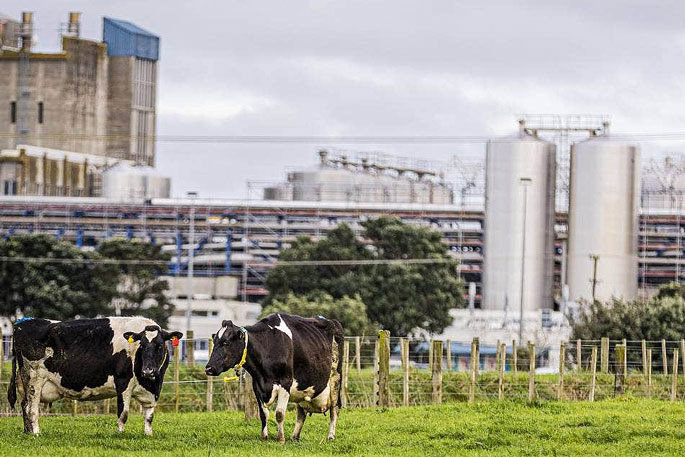
Climate Change Commission reports and global studies show little reason to conclude that reducing New Zealand's agricultural output is certain to lead to increased global climate emissions.
National Party leader Christopher Luxon and political commentator Matthew Hooton last week both made versions of the claim that the environment would be worse off if New Zealand's international customers turn to dirtier producers offshore.
"Every time there is one less cow in New Zealand and one more in the US, the world gets just that little bit hotter," Hooton wrote.
The issue is (somewhat unfortunately) known as "leakage".
It basically describes whether interventions to reduce emissions, for example making farmers pay for the climate gases they emit, will cause farmers to lose market share to international competitors who don't face similar measures.
On Tuesday, the government released for consultation its plan to price agricultural emissions, which has prompted pushback from farmers with sheep and beef producers particularly hard hit, but it has also irked environmentalists.
Agricultural consultant Will Wilson claims the government's logic behind setting prices for farm-level emissions is flawed.
He recently outlined his thoughts in two podcasts on BuzzWorthy. The first of which can be viewed here and the second one here.
Will Wilson says the Government should price "net emissions" by the sector rather than "gross emissions".
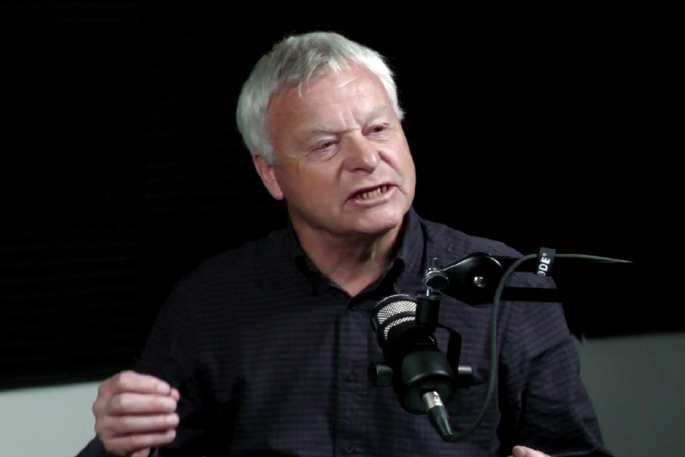 Agricultural consultant Will Wilson on the latest 'Future Buzz' podcast. Photo: Buzzworthy.
The Climate Change Commission released a report on the issue earlier this year which canvassed a number of studies done in New Zealand and overseas.
It found that globally "there is little evidence that emissions leakage is a material issue in sectors covered by different emissions pricing systems and climate policies".
Ultimately, it said the risk could be addressed and it was not a reason to shy away from reducing emissions.
-Additional reporting by Hamish Cardwell/RNZ.

4 comments
Good Luck
Posted on 17-10-2022 19:37 | By Hugh Janis
Good luck stopping it, this is part of an international agenda and it has already destroyed and taken some lives. Hang on, and be prepared to fight.
The real issue is
Posted on 17-10-2022 20:13 | By Let's get real
Whether or not you agree with farmers paying for the emissions from their livestock, the additional costs will be passed on to the market and potentially cause cash-strapped families to purchase more highly processed foods which may cause greater emissions to be caused. The additional costs will not remove the emissions from the environment and may result in further health issues further down the road. Don't forget also, that New Zealand contributes ZERO POINT ONE EIGHT (0.18) percent of all international emissions that are being identified as harmful to the environment. So potentially we could be seriously damaging the economy of the country to look good on the international stage and prepare the world for our showpony PM to strut around in a new job at the United Nations. Just Imagine a socialist world government in the future....
What a load of croc
Posted on 18-10-2022 00:27 | By Johnney
Here we are, little ole NZ trying to save the planet at the demise of our export income while China stokes its 1,000 plus coal fired power stations every day. I approve of tackling climate change providing the big emitters come on board.
Its all a farce
Posted on 18-10-2022 09:02 | By an_alias
We make no real difference to the climate in NZ and have some of the best farming in the world. This is pure elite agenda, its is truly strange how this is all in the West and Asia is laughing all the way. China continues to build coal plants every week. The ones producing the most are exempt from paying or simply think its a farce.
Leave a Comment
You must be logged in to make a comment.