


Two Bay of Plenty startups have been named the first recipients to be funded under a new multi-million initiative created to reduce the early failure rate of local social enterprises.
The Mt Maunganui firms were selected from over 500 businesses that entered a nationwide competition for Kiwi entrepreneurs that can help solve a societal or environmental issue.
The competition's organisers are now calling for more support for purpose-led businesses in the Bay of Plenty region - with startups in the area saying specialised expertise is more valuable than a cash injection.
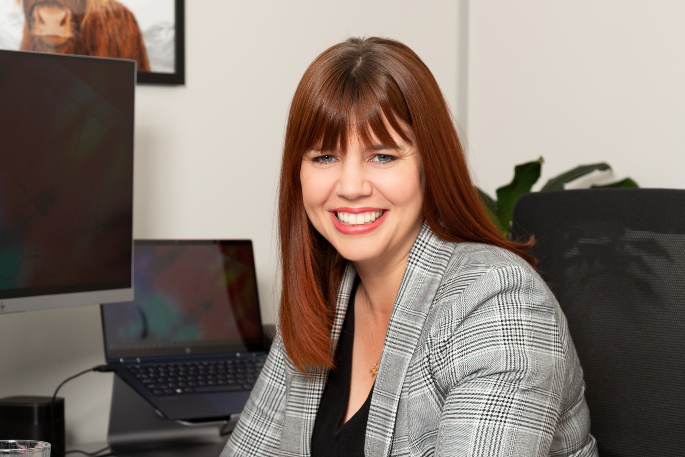
Nous, a new organisation which provides mentoring, coaching, investment and marketing support for environmentally and socially focused Kiwi enterprises in their early stages of growth, is the creation of Brianne West, founder & CEO of the country's largest regenerative beauty product exporter, Ethique.
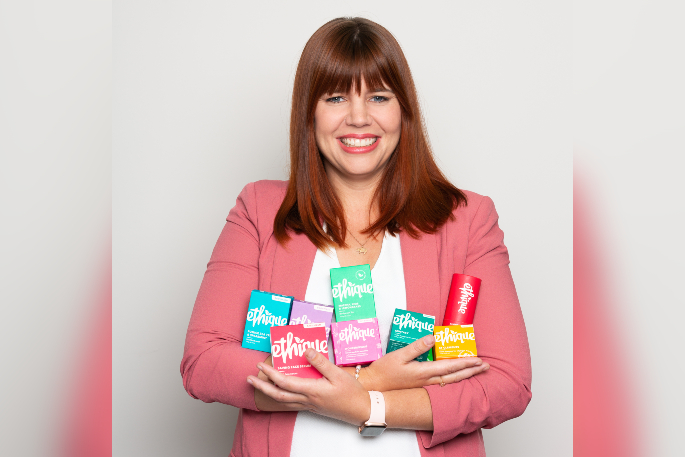
Brianne West. Photo: Supplied.
Brianne launched the ‘Got Nous' competition during the first stage of the fund's launch to help raise awareness of the challenges faced by social enterprises - which have a failure rate of 95% within their first decade of operation.
She says the calibre of entries from Bay of Plenty was extremely high however it is clear from the high number of entries there is a chronic lack of local support infrastructure for startups looking to solve environmental issues.
Businesses were asked to present their idea to an expert panel - including identifying the social or sustainability problem they are seeking to change and details of how that will be achieved.
The winners of the competition, which will share a cash and mentoring prize pool valued at $140,000, include Mt Maunganui based Critical Supply, a fair-trade instant coffee brand that returns profits to local community and Come Clean, a local company producing a sexual wellness product from organic hempseed which aims to destigmatise the use of lubricant.

Critical Supply Coffee was one winner of the competition. Photo: Supplied/SunLive.
Tom Lear, co-founder of Critical Supply, says finding expertise to help guide them through the initial stage of their company's lifecycle is necessary to support their growth.
Tom says while around 70% of the coffee consumed in New Zealand is instant, there is a lack of support for Fair Trade suppliers in this industry niche.
'As a purpose-led startup, we have been keen to avoid entering the marketplace blind and incurring the costs of learning from our mistakes,” says Tom.
'The opportunity to work with experts who can help guide us through these pitfalls and develop an offer that will resonate with consumers will be invaluable to us over the coming months - it will provide a bigger boost than the financial contribution.
'The idea that you don't have to be not-for-profit in order to make a difference is a really key message for startups to understand today and one that we want others in our position to hear."
Daisy Hylton, founder of Come Clean, says the development of products using sustainably sourced ingredients is a key mechanism for reducing environmental impact of consumer goods.
'It can be challenging, even overwhelming at times getting a new business off the ground,” says Daisy.
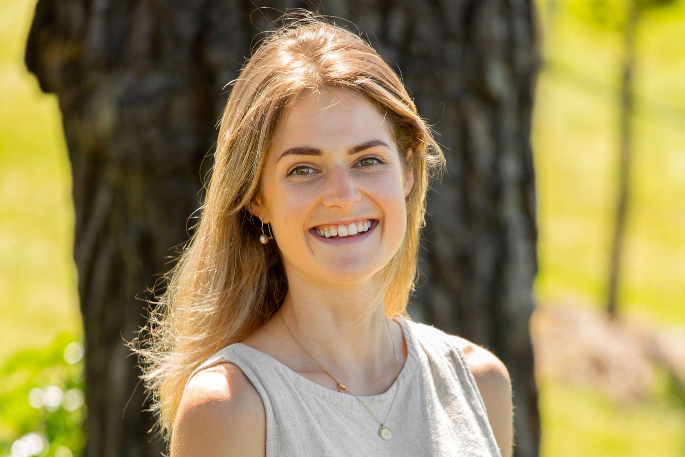
Come Clean founder Daisy Hylton. Photo: Supplied/SunLive.
'We are competing against well resourced, mainstream incumbents and having access to mentors that understand what it is like to be a sustainably driven business in an unsustainable world helps provide the motivation to keep us focused on growing the business.
West says their analysis of data from the entries shows there are large numbers of New Zealand startups with the potential to have a significant impact on major societal issues.
Daisy adds businesses like these need greater support to ensure they can develop to a scale at which they can make a significant impact on rehabilitating the environment.
'We know is that social enterprises operate using a model that is distinctively different from traditional ‘profit-first' businesses.
'In many ways this is a new trend with relatively few ventures surviving their initial years to reach a point at which they could share their experience with other mission driven organisations.
'This means there are substantially more social or environmental startups than there are coaching organisations with the requisite experience and resources they need to develop.
'It is critical that more is done to support these businesses, not simply through the provision of financial aid but more importantly by offering the structured guidance needed to navigate the unique set of challenges they face.
'The Bay of Plenty firms we will be supporting with are examples of startups that have the potential to help address some of the myriad of issues that are becoming increasingly prevalent in our society.
'In nurturing these businesses through to the next stage of their development we want to show others in the region that these business models can be adopted
'We know now that there are many more startups in the region that also can make similar inroads into addressing systemic societal issues we face as a nation and they require customised support to grow to fruition,” she says.
Brianne says a third recipient of the fund was Daisy Lab from Auckland, which uses microorganisms in precision fermentation to create an alternative to yoghurt and cheese that produces up to 97% fewer emissions than using cow's milk.

0 comments
Leave a Comment
You must be logged in to make a comment.