


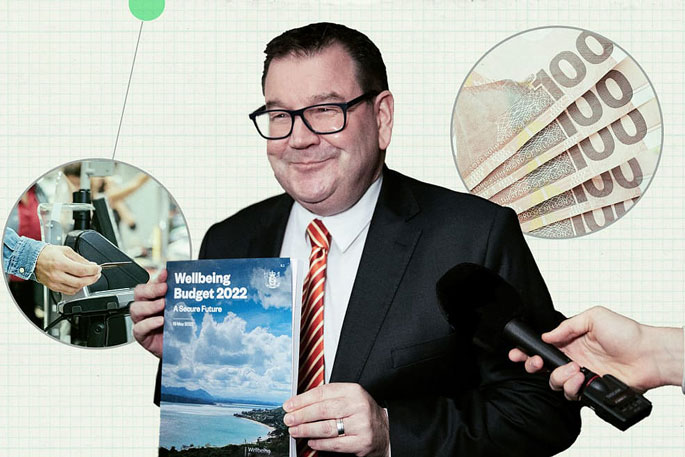
The government's cost of living payment has seen eligible New Zealanders receive a welcome bump to their finances this week, but who is eligible and how can people make sure they get their cash?
With inflation recording its largest year-on-year increase in 32 years, many New Zealanders are having to make tough financial decisions to get by with the rising costs of food, petrol and other necessities hitting households in the pocket.
Announced as part of Budget 2022, the government has attempted to respond to the cost-of-living crisis by offering a split payment of $350 to lower income New Zealanders.
The temporary payment is estimated to cost $814 million - funded out of the remaining money in the Covid-19 war-chest, which is now being wound up.
While the first of three payment instalments have begun to be transferred into the bank accounts of more than two million people, many have been left wondering if they are eligible and how much money they are set to receive.
Who is eligible for the payment?
The government's cost of living payment is aimed to provide financial support to low-and-middle-income New Zealanders, the criteria makes it available to all New Zealand tax residents aged 18 and older who earned less than $70,000 before tax between April 1, 2021 and March 31, 2022.
To be eligible people must also have had a 2022 tax assessment with eligible income such as salary or wages.
However, people who have not been in paid work during the last financial year can receive the payment if they have income from bank interest, or people who receive Working for Families payments.
The initiative's eligibility criteria exclude people who are eligible for the Winter Energy Payment - at the end of June 2021 there were 903,771 individuals receiving the Winter Energy Payment.
People who are in prison also do not qualify for the payment.
Eligibility for the payment is based on an individual assessment completed by Inland Revenue, which means people can receive the payment regardless of their spouse's or household's income.
If you are eligible and you don't want to receive the payment you can contact IRD to opt out.
How much money will eligible people receive?
Eligible residents will receive an overall payment of $350 split into three monthly instalments of roughly $116.
The first payment has been made on August 1, 2022, and the second and third payments will be made on September 1 and October 1, respectively.
The scheme averages out to an additional $27 per week in the bank accounts of individuals in lower income households.
How will they receive payment?
Inland Revenue will automatically transfer each payment directly into the bank account of eligible people, the payment will appear as "Living Costs" on your bank statement.
It should arrive in your account on the day of payment or the day after, depending on what time the payment is made and which bank you are with.
I'm eligible, why haven't I received my payment?
There are a few reasons why eligible people might not have received payment, the first being quite simple - Inland Revenue does not have their bank account details.
Since it announced the payment at the Budget in May the government has consistently claimed more than 2.1 million people would be eligible.
However, in a statement, IRD says it has only confirmed the eligibility of 1.4 million people as of August 2, 2022, and just over 1.3m have received payment - totalling $152m paid out so far.
The tax department says 137,000 people could be set to miss out on cost of living bonus payments because it does not have their bank account details.
In many cases, IRD will already hold people's bank details for tax return purposes, however, if you have not received payment and you're not sure your details are correc,t you should update them through MyIR, their online system, or you can call IRD on 0800 257 777.
IRD says it expects the number of people meeting eligibility criteria to grow closer to 2.1 million as more of this year's income tax assessments are completed and partners of Working for Families recipients have their returns finalised.
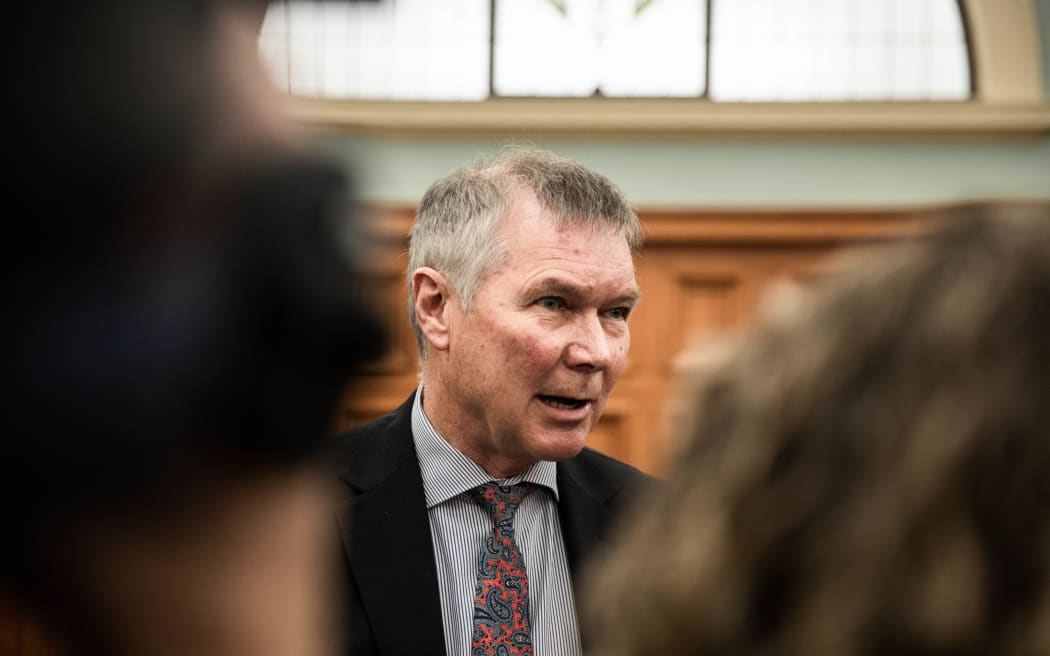 Revenue Minister David Parker said Inland Revenue had the details of more than 90 per cent of those eligible for the payments. Photo: RNZ / Samuel Rillstone.
National Party finance spokesperson Nicola Willis describes the situation as an "absolute dog's breakfast" and says she will be writing to the auditor-general calling for an investigation into the rollout of the payment.
Revenue Minister David Parker says he's adamant the payment would - eventually - reach about 2.1 million people.
He says the payments and how they will be distributed were widely publicised since May, so people had time to check if they were set up to receive them.
A team of more than 700 staff is working at IRD, working to reach everyone eligible for the payment, and updating their details, Parker says.
In a statement, IRD says it will continue running eligibility checks every day.
Anyone who has not supplied their bank account number by the time the payments are made, can still claim them until the end of March next year.
Another reason why you might not have received payment is if your income tax return has not yet been processed by Inland Revenue, a complication mainly affecting people who are self-employed.
People who otherwise meet the criteria are eligible to receive the entire cost-of-living payment if their income tax return is filed by March 31, 2023, the payment will only be made once Inland Revenue has processed an individual's tax return.
What if I turn 18 while payments are yet to be made?
Inland Revenue reviews individual eligibility status before each monthly payment, meaning residents fitting the other criteria who turn 18 in either August or September 2022 will still be eligible to receive the second and/or third payment.
Why are some ineligible residents overseas receiving the payment?
Since the first payments began to be processed on July 1, some New Zealanders and former residents living overseas have reported receiving the first payment, despite not being in the country and therefore not eligible.
The government has backed the way the payment is being rolled out, despite knowing that some people who are ineligible will receive it.
The government has said it is using an automated system that cannot easily tell who lives overseas and who does not and it is unsure how many eligible overseas residents have received the payment.
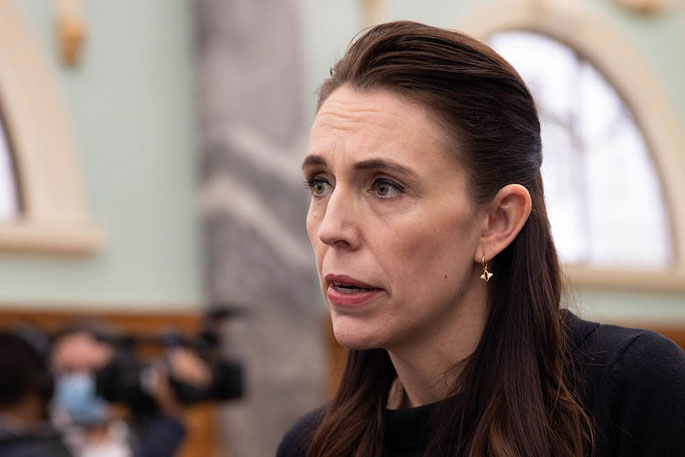 Prime Minister Jacinda Ardern. Photo: RNZ / Angus Dreaver.
Prime Minister Jacinda Ardern admitted to Morning Report that some people living overseas would receive the cost of living payment.
However, the cost to manually filter out residents living overseas would have outweighed any benefit, she says.
The alternative to having these individuals receive the payment would have been an application-based process which would have taken too long, and it may not have reached those who were most vulnerable, Ardern says.
Parker estimates fewer than one in 100 people will receive the payment in error.
Meanwhile, IRD says it's unknown how many people not living in New Zealand have received the payment as the eligibility criteria is based on the information that they have in their systems, which could be outdated.
It says it will only try to recover payments when someone had provided "fraudulent or wilfully misleading information".
IRD says if people believed they have received the money when they are not eligible, they could return it
Since the first payment was processed, it has been reported that over a thousand people had opted out of the initiative.

2 comments
Temporary
Posted on 04-08-2022 08:19 | By Kancho
Is the word . Overall difference not so much as it's gone in a flash . Giving you back a small amount of you own money back from the extra GST payments . Everything you buy cost you more GST on food , petrol etc . More tax taken from everyone but especially tough to give and take away from low incomes. Should be no GST on basics and low income people should be tax exemptions for the first ten thousand earned. Buying votes with your own money a nasty trick
Aim at the target
Posted on 04-08-2022 15:44 | By Johnney
If IRD gave all those eligible a tax credit at the end of 2022-23 financial year they wouldn’t need to borrow the money, just take a little less tax revenue. This could be targeted with different tax codes, a simple adjustment to their computer system and zero administration costs. Am I being too simplistic??
Leave a Comment
You must be logged in to make a comment.