


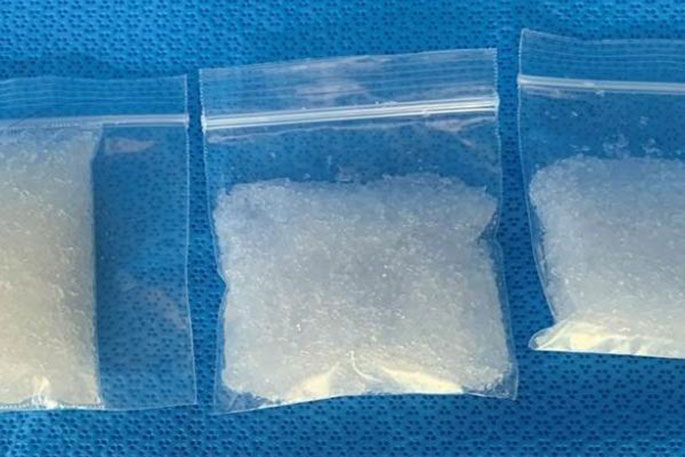
The Drug Foundation says the expansion of a methamphetamine treatment programme shows a health approach to drugs is far more effective than prohibition.
The Te Ara Oranga programme was opened in Bay of Plenty on Friday after a successful pilot scheme in Northland.
It is a partnership between police, mental health and addiction services; iwi and community groups.
It was piloted in Northland and provides culturally-appropriate therapeutic help specially tailored for the local community.
Health Minister Andrew Little says demand for addiction treatment services has grown steadily over the past decade.
"Te Ara Oranga is a unique partnership," says Little.
"It has been shown to reduce drug-related harm and support better community health, improved social wellbeing including re-engagement with whānau and employment, and better justice outcomes including reduced family violence and crime."
Little says 3000 Northland people and their whanau had been helped by the programme, and for every dollar spent there has been a return of between $3 and $7.
The Foundation's executive director Sarah Helm says the programme has widespread political support and was started under the previous National Party-led Government.
"This is not a soft touch approach, this is an actual comprehensive approach. It is a real approach instead of pretending to do something about the problem by simply banning it."
Helm says the programme was comparatively cheap and should be expanded nationwide as soon as communities were able.
"We have other parts of the country that are chomping at the bit to be able to undertake this in their region.
"It would cost about $40m to $45m to roll it out around the country."
Green Party spokesperson for drug law reform Chlöe Swarbrick says good money has been spent after bad for 40-plus years on mainstream punitive approaches and it has only made things worse for communities.
"It is time to roll out an evidence-based public health approach to meth harm as the proven best possible way to reduce harm among our communities.
"But if we are serious about tackling drug harm then the Government also needs to fund the health, housing, and community services that address the very problems which drive people into substance addiction and abuse in the first place," says Swarbrick.
Little says in addition to services rolling out in Murupara, $3.5 million of funding would enable Te Ara Oranga to expand and cover a geographical area from Whakatāne to Rotorua, and include Ōpōtiki, Kawerau, and Murupara.
This year's Budget included a $100-million investment for a specialist mental health and addiction package.

2 comments
Hmmm
Posted on 20-06-2022 16:54 | By Let's get real
What happened with the reducing of the legal age and accepting the normalisation of underage drinking should act as reinforcement for the need to come down extremely hard on the misuse of illegal drugs. Normalisation is wrong and if we could sue individuals for the destruction of families due to the use of drugs it might go a long way towards improving family life in New Zealand.
Let's get real...
Posted on 21-06-2022 18:19 | By This Guy
So you want to keep on doing what hasn't worked and proven to be counter intuitive to solving the problem? The war on drugs is an abject failure and drugs won. Countries that have gone the decriminalization route and treating drugs as a health issue rather then a criminal one have had more success in reducing harm and freeing up police to go after more serious crime (Would much rather the Police be dealing with ram raiders instead of pot heads) Look at Portugal, decriminalised everything and Drug-related deaths have remained below the EU average since 2001. Rates of drug use have remained consistently below the EU average. Reported by the European school survey on alcohol and drugs (ESPAD), they have shown a gradual, consistent decline in the last 10 years. ESPAD also reports that perceived availability of drugs among children in Portugal is lower than the European average.
Leave a Comment
You must be logged in to make a comment.