


"Once that habitat is gone, it's gone forever." That's the message from Tauranga City Council's director of spaces and places, Paul Dunphy.
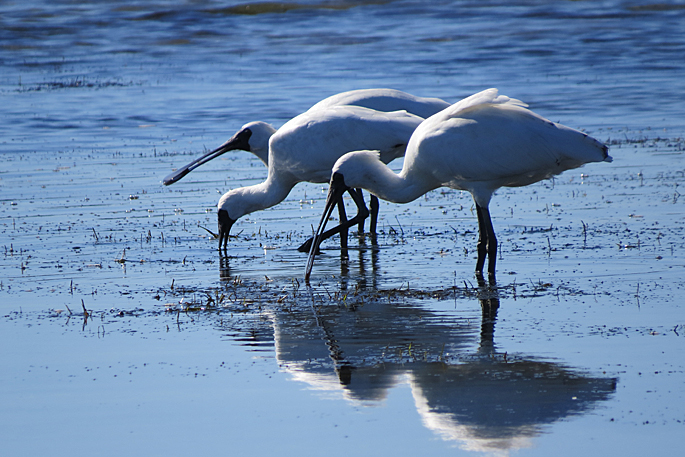
White-faced herons, Tui, and Royal Spoonbill are just some of the wildlife residing in Matua that could be facing a loss of habitat due to a protected native Totara tree getting poisoned on a private property in the area.
The poisoned tree was first noticed in June 2021, when the Totara tree was 'browning off'.
'Browning off' of the leaves is usually a sign that something traumatic has happened, with physiological changes to the tree.
Poisoning attempts include several drill holes around the tree's base, with traces of herbicide and a strong diesel odour being found.
Paul says since these discoveries, actions were taken to reverse as much damage as possible to the native tree.
It had put on some new growth, but in October 2021, it was observed that the tree was declining further.
Both council and the property owners are in dismay over how such a thing could happen, and investigations are ongoing to find the perpetrators.
"People poison trees for various reasons, with outcomes often relating to things that will benefit them, commonly these include issues with views, light or debris/leaf fall," says Paul.
"The act of wilful damage to public tree assets is unfortunately far too common, with these actions involving the use of herbicide, unsanctioned pruning or actual removal of street or reserve trees.
"Unfortunately, this incident isn't the first time Council has dealt with the poisoning of trees around Tauranga, and often this is where someone has taken matters into their own hands for selfish reasons," says Paul.
These actions can lead to enforcement action under the Resource Management Act 1991.
"Tall trees provide a safe roosting place for birds, and the need is increasing as Tauranga harbour beaches get developed.
"Tall native trees, whether they're on Council land or private property, provide a resource for all the community and enhance Tauranga's biodiversity."
This particular Totara is just one of the many trees that are protected in the City Plan.
Such trees are part of Council's natural heritage and are considered worthy of protection. Once listed in the City Plan, the tree is protected through provisions under the Resource Management Act 1991.
These provisions enable Council to take enforcement action where an offence has occurred.
This can result in penalties of up to two years imprisonment or a fine up to $300,000 for an individual.
If anyone has any information about the person(s) involved, please get in touch via email at [email protected]
Further information about pruning protected trees can be found on Council's website or contact the city arborist.

2 comments
goemetry by sight.
Posted on 02-03-2022 09:21 | By hapukafin
lineup the entrance with the treetop and the houses behind it would be a good place to start to locate a perputrator.
Hmmm
Posted on 02-03-2022 10:41 | By Let's get real
It says quite clearly in the article that the tree is on private property and then continues to inform us about public tree assets. It irritates me no end, that so much time is spent looking over other peoples fences to see what's happening... Good on the homeowner if they want to grow giant weeds, but in my humble opinion, if I buy a property, I own and am responsible for everything within the boundaries of the said property and should be completely within my rights to dispose of them as I see fit. But that's obviously not the way New Zealand works as far as vegetation is concerned. It appears that trespass and criminal damage is the issue in this case and should not have any council or ratepayer input at all.
Leave a Comment
You must be logged in to make a comment.