


The first doses of the only Covid-19 vaccine so far approved for use in New Zealand are due to arrive, earlier than expected, next week.
Officials have plenty of work to do however, to organise the roll-out.
The Ministry of Health says the inoculation campaign is a "massive logistical exercise", and it is continuing to work through specific details, such as vaccination locations and ultra-cold freezers.
Border and MIQ workers will be the first to receive the Pfizer/BioNTech vaccine, with inoculations taking place from Saturday February 20.
Although it's good news on the vaccine front, at this stage the early rollout won't help the prospect of a trans-Tasman bubble.
Tomorrow is Valentine's Day, but this year red roses are more expensive due to the impact Covid-19 has had on imports. Florists have had to pay at least 30 per cent more for the flower.
On Friday, there were two new cases of Covid-19 detected in managed isolation in Auckland.
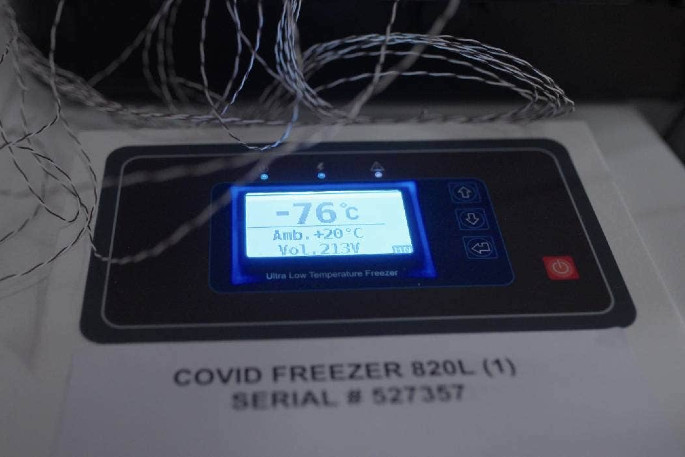
The ministry has imported nine freezers, capable of getting down to -80 degrees Celsius, to meet the requirements of the Pfizer vaccines.
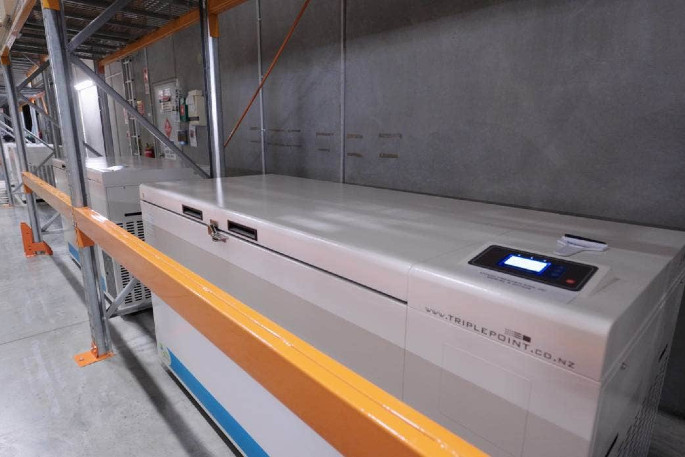
Some of the ultra-low temperature freezers that will be used to store the Pfizer/BioNTech Covid-19 vccine vials. Photo: Ministry of Health.
The Pfizer vaccine needs to be kept at temperatures of between -80C and -60C until it is ready for use, then it can be kept at a warmer temperature of 2-8C for up to five days.
Seven of the freezers are in Auckland and final checks on those were due to be finished on Friday. The remaining two freezers are in Christchurch and will be ready in two weeks following thorough testing, MOH said.
Special containers had been bought to transport the vaccines around New Zealand at ultra-low or cold chain temperatures.
Global toll
Johns Hopkins University says there have been more than 108 million cases and 2.3 million deaths attributed to the virus globally.
More than 130 million Covid-19 vaccine doses have been administered worldwide already, and early signs suggest vaccines are helping drive down infection rates in some countries, including Israel and the UK.
According to scientists, the strain of coronavirus found in the UK is expected to become the most dominant in the world.
The head of the World Health Organisation says the drop in infections around the world is encouraging, but cautioned countries against complacency and relaxing restrictions.
What should I do?
Anyone who wants to get tested can find their local testing centres by visiting the Ministry of Health website.
New Zealand is at Covid-19 alert level 1.
Masks are mandatory for: people travelling on public transport services in and out of the Auckland region; the drivers of small passenger service vehicles in Auckland, such as taxis and app-based ride services; and people travelling on passenger flights throughout New Zealand.
If you are sick, call your GP before you visit, or Healthline on 0800 358 5453.
To avoid contracting and spreading the virus, wash your hands properly, cough and sneeze into the crook of your elbow and throw tissues away immediately.
Reach out, find support from people who care, connect with your community or help a neighbour in need.

1 comment
Great!
Posted on 15-02-2021 14:27 | By morepork
So are there plans in place for distribution and actual inoculation? "Frontline" people from Saturday just gone... good. When can the rest of us expect to start seeing people getting the jabs?
Leave a Comment
You must be logged in to make a comment.