


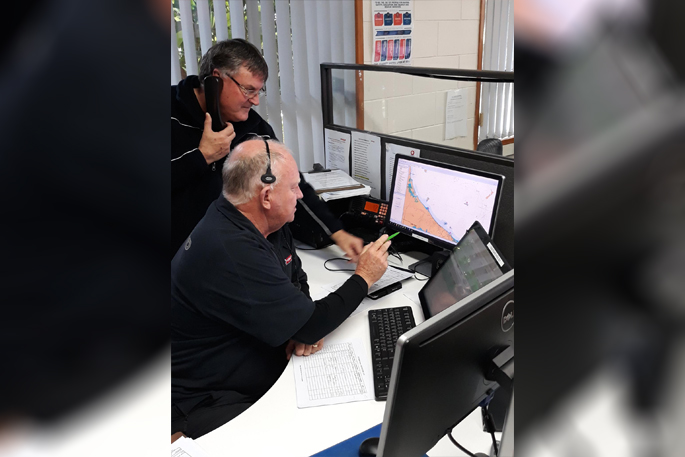
If you have time on your hands and a clear speaking voice then Coastguard needs your help.
Coastguard Eastern Region are looking for volunteers to cover permanent radio operator shifts at their Nikau Crescent operations room in Mount Maunganui.
Jim O'Grady, who looks after radio operator training at CER, is looking for volunteers to cover various shifts, including weekends and full training is provided.
He says people don't need any previous radio experience just a clear speaking voice and basic computer skills.
'People need to have the time, need to be prepared to make a commitment and be willing to undergo a bit of training.”
If people are interested in volunteering they start with a tour of the communications room so they can see what happens and we explain a little bit about the process and procedures, Jim says.
He says their operation provides cover for 14 units within the Eastern region and at times many of the other units located in the South Island and lower half of the North Island.
Radio operators work shifts of three to four hours between 7:00am to 6:30pm and the radio room operates seven days a week. From Labour Weekend the daily hours of operation are from 6:00am to 9:00pm.
'We're looking to recruit people who could fill those slots on a permanent basis. We maintain a small group of floating radio operators who can fill the gaps. Ideally what we want is people who can fill permanent shifts.”
Volunteers will be expected to commit to a minimum of one shift per week and must be open to the possibility of weekend rostering, Jim says.
He says the main job of a radio operator is to log trip reports for boaties who are going out and to broadcast weather reports.
'When we have the watch from any of our units, boaties will normally call in and tell us where they are going, how long they'll be out there and how many people are on board. They give the boat name and a radio call sign.”
'A radio operator's job is to record all that information on an operations platform and make sure all of those details are correct.”
'The other thing is being able to operate under a little bit of pressure, from time to time they will get to deal with incidents.”
Jim says a radio operator will always work with a duty officer, who is a more experienced person that will assist with incidents or emergencies and also provide some guidance to the radio operator.
'There is always someone else in the room to provide assistance and back up for them, they're never left to their own devices.”
There is opportunity for further study that is self-paced and progressive, he says.
'It's self-paced training so they can come in and undertake various modules that are associated with radio communication and a little bit of navigation.”
'Those modules are progressive, you can start at beginner level and progress all the way through to the highest level.”
He says, people that volunteer enjoy learning new skills and providing a community service.
'There's an educational component to it, so they're learning new skills and they're providing a service to the boating community.”
'There's a sense of real achievement when you are able to look after incidents on the water and be a part of that process.”
If you are interested in volunteering email [email protected] or call 09 489 1510 ext. 253.

0 comments
Leave a Comment
You must be logged in to make a comment.