


Through the lens of a Maori understanding of the world, all things created are the result of three states: te kore, the nothing; te po, the night; and te ao Marama, the natural world.
But for the brainchildren of an upcoming show, which seeks to reimagine traditional Maori culture as it's known, a number of forces have worked together to bring it to life.
For the first time since it was first performed two years ago, Pango is coming to local stages throughout New Zealand, with one show only planned for Baycourt in Tauranga on October 26.
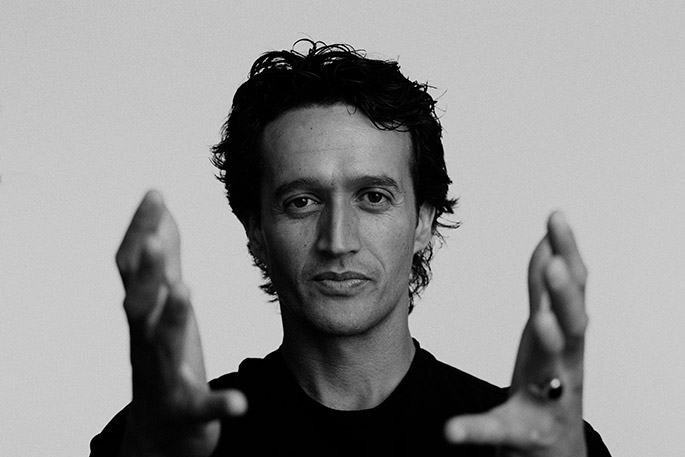
'The work itself is what I like to call an art installation piece,” says choreographer Moss Patterson. 'This is because it fuses lots of different genres together, including physical theatre, conceptual set design and live projection, electric guitar and taonga puoro, or traditional Maori instruments.”
Accompanying all of these aspects are six of New Zealand's most elite dancers, says Moss.
'This is a live experience, so nothing is pre-recorded. The show is very present and it's made up of a series of moments which have been made collaboratively by myself, the dancers and the musicians. We are all invested in these moments together.”
He explains the performance as a group of men working together to create moments of beauty, masculinity and vulnerability.
'The dancers portray movement that is describing the primordial space of te kore which, according to te ao Maori, is essentially the beginning of time.
The show also explores Atua Maori, the traditional legends of Maori Gods, and includes the narratives of Rangi and Papa along with their children, says Moss.
'We are reimagining these characters in this space, and audiences can expect to see Atua Maori reimagined in contemporary 2018 living.”
He says the show has been well-received by international audiences.
'As a nation we like to believe we are vastly different in terms of who we are, but there are so many similarities between our culture and indigenous cultures around the world.
'We are essentially all human, so while what we are presenting conceptualises a Maori understanding of the beginning of time, we are portraying this through traditional and modern movement. This means that even international audiences have been able to connect with us.
'And they have been very much appreciative of the way we fuse tradition with contemporary culture.”
Moss says it's these international shows which made New Zealand presenters pay attention.
'We basically haven't performed this show since those international shows in 2016, but we were invited to pitch it this year and New Zealand presenters said ‘we've got to have that'.
'I hope people will appreciate how much all of the performers put into their work, their honesty and courage.
'What you are seeing on stage is the dancer's individual responses to the movement: they're investing themselves into it, the same with the musicians and the design team.
'I want people to have a visceral connection to what we are doing. We want audiences to be drawn into the collective and individual stories which ultimately are about appreciating each other as human beings, our culture as Maori and people as a group coming together to reimagine tradition in Aotearoa New Zealand as something that is living, present and part of everyday life.
'We are normalising tradition with contemporary culture.”

0 comments
Leave a Comment
You must be logged in to make a comment.