


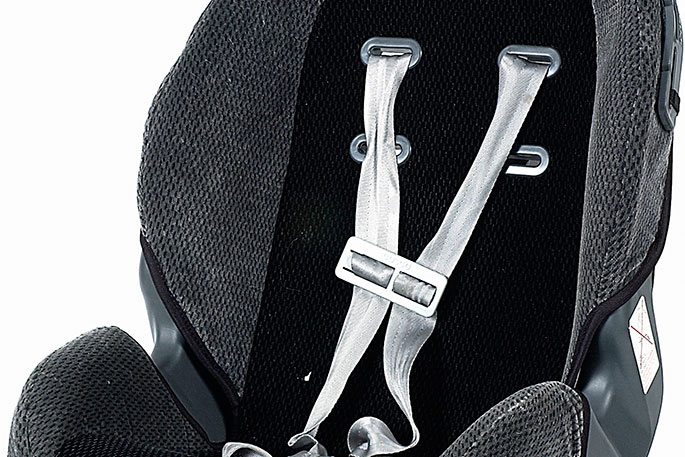
New international research which suggests parents feel overwhelmed when it comes to researching and choosing child safety restraints may have repercussions for road safety in New Zealand, according to an industry expert.
Volvo's New Zealand GM Coby Duggan says parents around the world face similar challenges when it comes to working through concerns about which child restraints to use and how to fit them in to their vehicles.
Latest Ministry of Transport figures indicate that each year over 430 Kiwi children are killed or injured in motor vehicles on New Zealand roads. The data also suggest that while 96 percent of adults wear safety belts only 93 percent of children under five and 95 percent of children aged five to nine are restrained correctly while traveling in a car.
Coby says that despite the joys of adding a new member to the family, an incredible 92 percent of parents feel overwhelmed when researching child safety products, according to a nationwide survey of Americans, conducted on behalf of Volvo Car USA.
The full results are published in Shifting Gears: How Becoming A Parent Changes Driving Forever, that explores the ever-changing relationship between Americans and their car. This edition explored American parents' preparedness for driving with young children, the overwhelming choices that new parents face, and their knowledge of safety practices when it comes to driving while pregnant and using and installing car seats.
'Nothing is more important to parents than their children's safety and despite the overwhelming options available, it's clear they are looking for more guidance and direction to ensure they are making the right choices,” says Jim Nichols, Product, Technology & Brand Communications Senior Manager for Volvo Car USA.
'Volvo wants to help new parents feel more secure and confident when traveling with their loved ones.”
Study Results:
- The responsibilities of being a parent are immense, leading to parents feeling more stressed than a year ago (66% vs 50% for nonparents) and more distracted than five years ago (57% vs. 45%).
- Nearly 84 percent of parents find that people judge how parents care for their children more than they did 10 years ago.
- While 92 percent of parents find it overwhelming to do research on child safety products, that number rises to 97percent among new parents.
- In fact, the sheer amount of information available creates new sources of worry, rather than alleviating them for 65 percent of parents.
- Seven in 10 parents were eager for education around safe driving, specifically designed for new parents.
- The #1 concern when it comes to child safety gear, is the car seat.
- 71 percent of parents find the number of models to be overwhelming, while 58 percent found the topic frustrating to research.
- Once a car seat is purchased, 32 percent wish they had chosen a different seat, a number that rises amongst new parents (41%) and millennial parents (47%).
- The main pain points for parents? Finding the safest seat (36%), installing the seat (20%) and keeping up with recalls (19%).
- More than half (55%) of parents would use a professional car seat installer if they had access to one, rising to 65 percent amongst new and millennial parents.
- Alarmingly, less than half of parents are regularly checking the boxes on essential safety measures once they have a seat. Examples include:
- 35 percent check the car seat expiration date
- 50 percent check to see if the child has outgrown the car seat
- 35 percent remove child's coat before putting them into the seat
Improving child safety in automobiles has long been a guiding principle at Volvo and is part of the automaker's 'Vision 2020” platform which states that no one should be killed or seriously injured in a new Volvo car by 2020.
Through a unique approach that combines exhaustive research with practical innovation, the automaker is committed to continuous improvements that ultimately produce ultra-safe cars, highlighted by several world firsts including: the three-point safety belt (1959), child restraint prototype (1964), rearward facing child restraint on the market (1972), child safety booster cushion (1978) and many more.

0 comments
Leave a Comment
You must be logged in to make a comment.