


The Whakatane District Council has determined there should be no further housing developments in the Awatarariki Stream fanhead area, due to the high loss of life risk.
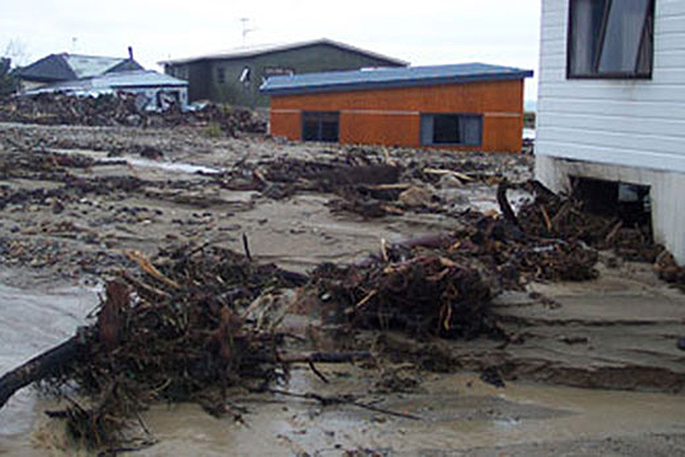
The council's assessment stems back to when Matata township was struck by devastating debris flows in 2005.
Engineering solutions were put in place to address the risk of future debris flows from some streams flowing from the steep escarpment catchments behind the town, but plans to mitigate the risk for the Awatarariki Stream were abandoned in 2012, following advice from experts that there no viable engineering solution was available.
In May, the council decided to initiate a change to the District Plan which, if approved, would remove the current residential zoning and prevent any future development in the fanhead area.
That change would not affect existing uses, however, and at a Policy Committee meeting, most elected members agreed that the loss of life risk was such that a change to the Bay of Plenty Regional Council's Regional Water and Land Plan should also be sought.
If a Regional Plan change was implemented, existing use rights would be extinguished and the risk to life managed by a compulsory retreat from the debris flow hazard.
The committee decision followed heartfelt public forum presentations from, or on behalf of people who own properties in the fanhead area.
Councillors acknowledged property owners had faced a stressful situation for far too long and noted that the plan change processes would run in parallel with a voluntary retreat package, which is dependent upon government and regional council financial support.
Committee Chairperson Judy Turner says the council has a moral obligation to take every possible step to reduce the risk applying to anyone living in the Awatarariki high risk area.
'As difficult as it is, this is the right thing to do. The Resource Management Act ensures that all stakeholders have a chance to have their views heard and, if anyone is not satisfied with the outcome, they are able to appeal the decision to the Environment Court.”
The committee also agreed to add $250,000 to the 2017/18 Annual Plan to underwrite the cost of the private plan change process.

0 comments
Leave a Comment
You must be logged in to make a comment.