


The ‘never happens' has now happened – so how prepared where you?
A number of Coromandel locals got a wake-up call following Monday's 7.5 magnitude earthquake which triggered a tsunami warning for the whole east coast of New Zealand when it first struck.
But a survey conducted by the Thames-Coromandel District Council in Whangamata on Monday morning revealed about 80 per cent of people who evacuated had no survival kit or means to sustain themselves, other than the vehicle they were in and a blanket.
'I can't even begin to describe how disappointed I am that people who evacuated weren't prepared for a long stay if they had been unable to get home or were isolated from help for several days,” says Thames Valley Civil Defence Controller Garry Towler.
'If the Coromandel had had an event similar to that in Kaikoura taking a drink bottle and a blanket with you isn't going to sustain you and your family for up to three days. Similar to asking a teenager to clean their room, the message of being prepared just isn't getting through.”
Garry says relying on neighbours to look after you, your family and in some instances, your pets just simply isn't a good plan.
'You may need to survive away from your home or in your home with no power, or be cut off from towns for several days, so being prepared is paramount.”
While some communities on the Coromandel have installed tsunami warning sirens, Garry says there seemed to a lot of confusion around them.
He explains the sirens sound similar to the volunteer fire brigade fire sirens, but when activated they rise and stay on a high pitched tone and will operate for 10 minutes or more.
However, the best warning is not a siren, but the natural disaster signs, he says.
'They are a strong earthquake which knocks you off your feet, a long vibrating earthquake that lasts for more than one minute, a sudden change in the sea levels on beaches and near river mouths, and loud roaring noises like a jet engine from out at sea.
'At that point, get to high ground 20 metre above sea level. It's that simple.”
Many communities in rural areas do not have a siren, and some may not hear a siren due to power cuts, double glazing or strong winds. Don't rely solely on the sirens; download the Red Cross Hazard App for updated information, adds Garry.
'Don't wait to be told to evacuate, use your common sense, if you feel a long and or strong earthquake, then get gone. It is better to be safe and feel silly than to be complacent and, well I don't think I need to finish that sentence.”
WHAT YOUR HOUSEHOLD EMERGENCY PLAN SHOULD INCLUDE:
If you felt an earthquake, but didn't hear a siren, even if you did, it is very important that you have a household plan which includes how you will be informed if there you need to evacuate.
- Download the Red Cross Hazards App on your smartphone or mobile device - Emergency alerts come from official agencies (MetService, Civil Defence, GNS Science etc.) and you can monitor up to five locations.
- TC_DC - Emergency Twitter or get emergency updates via SMS by texting 'follow TC_DC” to 8987
- Phone tree - If you don't have a smartphone or mobile device organise someone who does to give you a call and vice-versa. Think about elderly neighbours, family and friends who are perhaps on their own and may need support. If you don't see your neighbour at the evacuation point, give them a call to make sure they are safe.
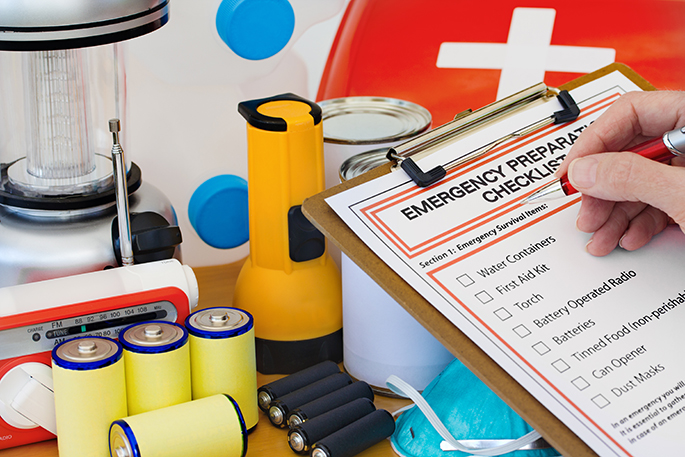
- Prepare an Emergency Survival Kit - You may need to survive away from your home (or in your home with no power, or be cut off from towns) for several days. To see the types of things to have in your kit see www.tcdc.govt.nz/emergency-kit
For more information and advice visit Civil Defence's Never Happens? Happens website at: www.happens.nz

0 comments
Leave a Comment
You must be logged in to make a comment.