


Boaties are being encouraged to play their part to help stop the spread of marine pests by giving the hulls of their vessels a good clean ahead of summer.
'A good clean, followed by safe disposal of what's removed, helps ensure that marine pests don't get spread around,” says Waikato Regional Council biosecurity officer Thomas Malcolm.
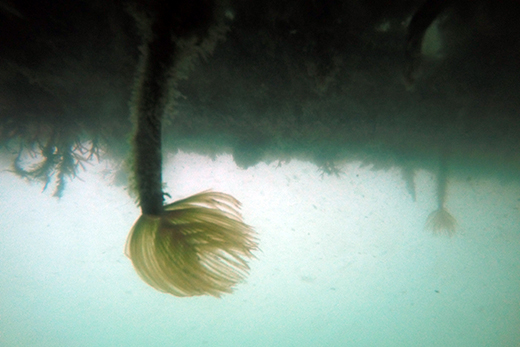
Mediterranean fanworm attached to the bottom of a barge. Supplied Photo.
'We need to protect our patch. There are so many potentially devastating marine pests out there, such as Mediterranean fanworm, which ride on the bottom of boats.”
Marine pests can be harmful to scallops, and mussels, and then affect fisheries like snapper and marine farms. Marine pest can also have a really bad affect the underwater environment for divers.
Last year Waikato Regional Council ramped up its efforts in tackling marine pests after fan worm – also known as Sabella –was rediscovered in the Coromandel Harbour. The was initially detected in the harbour back in 2013.
There are also ongoing elimination programmes currently underway in the Tauranga, Gisborne and Nelson harbours where fan worm has also been detected.
Along with fan worm – also known as Sabella – other marine pests that can attach to boat hulls include: Wakame/Undaria (Undaria pinnatifida) and Clubbed Tunicate/Leathery Sea Squirt (Styela clava).
'Ideally, boaties should clean their vessel's hull one month prior to heading anywhere. They should also apply an antifouling coat to the hull at least once every six months,” addsThomas.
For more advice contact Waikato Regional Council biosecurity officer Thomas Malcolm on 0800 800 401, or to download the New Zealand Marine Pest Identification Guide visit the Ministry for primary Industries website.
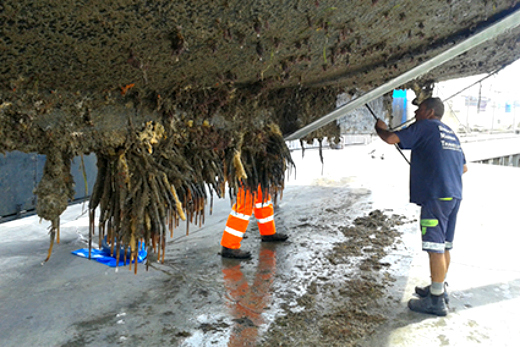
A recreational boat which is heavily fouled with Mediterranean fanworm. The marine pest has recently been discovered in the Coromandel Harbour. File Photo.

0 comments
Leave a Comment
You must be logged in to make a comment.