


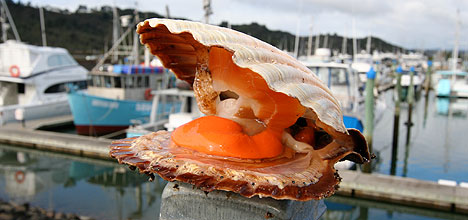
Toxic shellfish warnings have been reimposed on the Bay of Plenty coast from Mount Maunganui to Whakatane.
'Ongoing toxin monitoring has shown an increase in paralytic shellfish poison levels in shellfish along part of the Bay of Plenty coastline,” says Medical Officer of Health, Dr Neil de Wet.
'Unfortunately this means that the health warning needs to be re-issued.”
Shellfish from local beaches have only been safe to eat since March, after previously being deemed unsafe for 15 months.
People are advised not to collect and eat shellfish from anywhere along the coastline from Mount Maunganui in the Western Bay of Plenty to the Whakatane Heads in the Eastern Bay of Plenty.
This area includes Papamoa, Maketu, Pukehina and also applies to all inshore islands and estuary areas within this stretch of coast.
The health warning applies to all bi-valve shellfish including mussels, pipi, tuatua, cockles, oysters, scallops, catseyes and kina (sea urchin).
Paua, crayfish and crabs can still be taken but as always, the gut should be removed before cooking.
Symptoms of paralytic shellfish poisoning include numbness and tingling around the mouth, face or extremities; difficulty swallowing or breathing; dizziness; double vision and in severe cases, paralysis and respiratory failure.
These symptoms usually occur within 12 hours of a person consuming affected shellfish.
Anyone suffering illness after eating shellfish should seek medical attention immediately.

0 comments
Leave a Comment
You must be logged in to make a comment.