


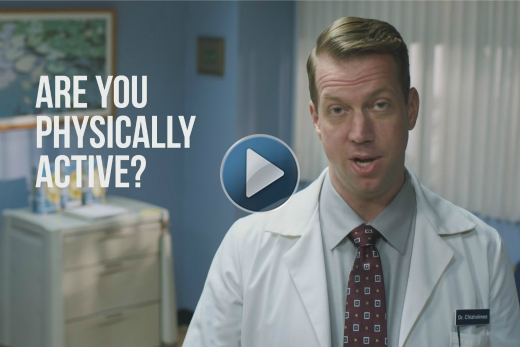
A one minute video which poses a series of seven questions could help encourage potential diabetes sufferers to seek help before it's too late.
The video is part of a health campaign produced by the American Centres for Disease Control and Prevention in partnership with the American Medical Association and the American Diabetes Association.
A one minute video could help potential diabetes sufferers to seek help before it's too late. Photo: Do I Have Prediabetes/YouTube
People watching the video are asked to raise fingers based on their answer to each of the seven question. If by the end of the video they have five or more fingers raised they are then encouraged to see a doctor for a blood test.
But Diabetes Help Tauranga field worker Debbie Cunliffe says while the video has a huge potential to raise awareness of pre-diabetes amongst people, she strongly recommends it should be viewed as a guideline only.
'The clip is meant to grab the attention of viewers, many of whom are very busy and would never otherwise engage in medical assessments,” explains Debbie.
She is quick to point out that it's not advisable that this kind of screening should replace a full assessment by a registered health care provider.
'To be reliable and valid here in Aotearoa, the scoring suggested in the clip would need to form part of ongoing questioning or screening adapted to fit New Zealand demographics and guidelines.”
Debbie says the diagnosis of pre-diabetes and type 2 diabetes is more complicated than the clip indicates. She also feels the video could potentially instil a false sense of security for those who are at high risk of developing the disease.
'It's important that we do not encourage our whanau to believe everything they see and read in social media but to ask questions and be guided by their health care professionals.
'Self-diagnosing can often lead to disaster, even interpretation of body weight pictures can vary from one person to another.
'You do not necessarily need to be overweight or a couch potato to get type 2 or prediabetes. There are a number of ‘skinny type two's' around, where a diagnosis of type two is the result of other causes,” says Debbie.
Diabetes is a lifelong disease which occurs when the pancreas can no longer make insulin, or when the body cannot make good use of the insulin it produces.
Insulin is a hormone made by the pancreas that acts like a key to let glucose from the food we eat pass from the blood stream into the cells in the body to produce energy.
According to Diabetes New Zealand figures an estimated 257,776 Kiwis were diagnosed with either type 1 or type 2 diabetes as of December 2014.
For more information visit Diabetes Help Tauranga's website at: www.diabeteshelp.org.nz

2 comments
matuaman
Posted on 02-02-2016 13:18 | By MatuaMan
Debbie Cunliffe is absolutely, and diplomatically, right. This video is a "clever" ploy created and paid for by the US pharmaceutical industry. A little bit of online searching for the truth about diabetes will show how shallow and self serving this video clip is. And who, actually, stands to gain, especially when the cost of treating diabetes in the US is taken into account.
Disgusting American hype!
Posted on 03-02-2016 08:33 | By monty1212
What a load of absolute rubbish this video clip is! It is not just the obese who get diabetes and the only sure safe way to check is to go to your doctor and have the tests.
Leave a Comment
You must be logged in to make a comment.