


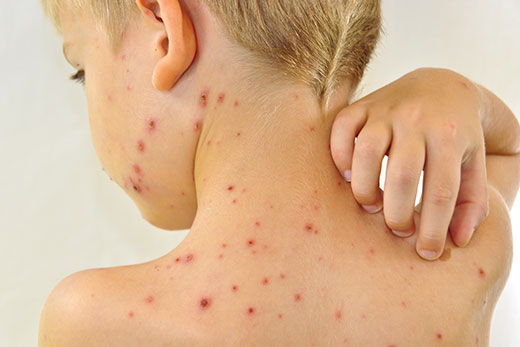
A new study has found Kiwi kids are needing to be hospitalised for chickenpox, with one in 10 ending up in intensive care.
The research, led by Starship Children's Hospital infectious disease specialist Dr Sophie Wen, found 144 children were admitted to hospital in just two years with disease caused by the varicella zoster virus (commonly called chickenpox).
Of those children, almost one in 10 needed to be treated in the intensive care unit, despite the majority being previously healthy.
The study has also found almost one-third of children who needed to be hospitalised suffered multiple complications from the disease, including neurological complications, which led to ongoing health issues in nearly 20 per cent of them after being discharged.
The study, from data collected from 2011-2013 and published in June, aimed to document the hospital burden of chickenpox – a common childhood disease in New Zealand.
It acknowledged earlier findings demonstrated the risk of serious complications and death from the disease, which is often considered a mild infection by parents.
Findings from the study also reconfirmed Maori and Pacific Island children are over-represented, with an almost three-fold and four-fold increase in risk of hospitalisation, respectively.
The study authors also found 'the perception of varicella always being a benign childhood disease needs to be re-dressed” in New Zealand in light of the findings”.
Dr John Cameron, a GP with 35 years of experience, says there is often a complacent attitude among New Zealanders about the disease.
'Parents think: ‘We all had it, so the kids will have it as well',” says Dr Cameron. 'It's often seen as a normal consequence of childhood.”
However, Dr Cameron says it is no longer an acceptable attitude with a vaccine now available.
'It's now a preventable disease, and people need to be aware of the dangers associated with chickenpox infection, as well as the fact it is now a preventable illness.
'It makes kids utterly miserable, and it can lead to hospitalisation, as this research shows. 'Hospitalisation is a significant serious event for not only a child but also for their family. Most young children never need to go to a hospital, but being admitted can place a tremendous strain on families,” says Cameron.
'Also, hospitals are actually not very healthy places to be in, so we do try to keep people out of them as much as possible, especially young people.
'And if your child suffers even more serious, ongoing complications from chickenpox that can be catastrophic for a family.”
The authors also noted the hospitalisation costs were only a small part of the monetary issues associated with chickenpox, citing the 'indirect costs of parent absenteeism and loss of associated productivity have been reported to range from 42 per cent to 98 per cent in the total cost of varicella”.
Dr Cameron says he believes most GPs would like to see the varicella vaccination included on the immunisation schedule for all children 'as it is in many other countries”, but in the meantime there is a need to address a disparity in access for those who need it most, including the Maori and Pacific Island communities.
'There is some research to suggest those communities are less able to self-fund the vaccination, which currently costs around $75 - a significant amount of money for many families.”
Immunisation facilitator Helen Ride agrees Kiwis need to be aware of the dangers of chickenpox and says it's time chickenpox wasn't dismissed simply as a childhood rite of passage.
'It is often perceived as a very mild illness and I still hear of chickenpox parties,” she says. 'What some members of the community are not aware of is that chickenpox can be a serious disease with serious complications resulting in hospitalisation and ongoing health problems for the affected person.”
She also points out the financial cost for families can be high. 'Something which many people would not consider is the financial burden your child having chickenpox can have on the family.
'Even in a mild case, the child will be excluded from day-care or school and will require a parent to stay home and care for the child. If a number of children in the household are susceptible to chickenpox then this can equate to over four weeks home caring for infected children.”
The Pinnacle Midlands Health Network worker says the safest way to mitigate the effects of chickenpox on your family is to vaccinate your children and any adults not immune to chickenpox.
Vaccination for chickenpox is currently only funded for high risk populations in New Zealand but is used in 96 countries worldwide, including in funded programmes in Australia, the United States, and Germany.
It is recommended for all children by the NZ Ministry of Health Handbook and the Immunisation Advisory Centre.
Parents are encouraged to discuss their options for vaccination with their primary healthcare provider once their child is five months old, with children able to be protected against chickenpox from nine months of age.

1 comment
Vaccinations are a MUST
Posted on 06-12-2015 15:01 | By Ron
It is incomprehensible for parents not to vaccinate their children in this day and age. To have your child,because of your negligence, suffer this disease and the potential real, long term effects is tantamount to child abuse.
Leave a Comment
You must be logged in to make a comment.