


.jpg)
A three-day conference is being convened called, "Starving in the age of recession". According to one journalist;One in five Kiwi children are now being raised in households reliant on benefits, sparking fears that children are "starving in the age of the recession".
The number of children living with beneficiaries is up 15,000 in the past year to 226,000 in April 2009.
'The rise has concerned doctors, child welfare groups and academics, who say living with beneficiaries increases the risk of leaving school early and health effects including hospital admissions and deaths."
I have more recent figures:
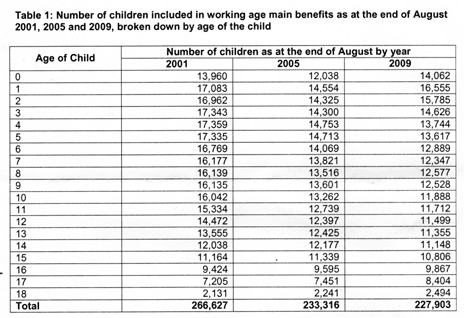
What this shows is that "children were starving" all through the economic good times and record low unemployment. In November 2005 unemployment was 3.4 percent – the lowest it had been since the Household Labour Force Survey records began in 1986.
That is because most of the children rely on the DPB and reliance on the DPB is only slightly affected by the unemployment rate. And that is because people on the DPB are not generally looking to work, especially when their children are young.
Yes, more children will end up on benefits during a recession but for many of those, it will be a temporary experience while Mum or Dad finds another job. It's the entrenched, often intergenerational group producing chronic health problems. Here's an honest doctor:
Wellington Hospital paediatrician Brendon Bowkett said child health was "a basketcase well before the recession".
Let me quote an even more honest doctor, NZ Medical Association deputy chairman Don Simmers (2006):
"Too many women are contemplating pregnancy on a benefit and we need to do better than that."
The problem is not the recession. The problem is the DPB, which has become institutionalised. Until NZ decides to do something about this benefit, the problems of children going hungry, suffering from poor living conditions and unhealthy lifestyles, will continue. Blaming the recession is just a diversion.